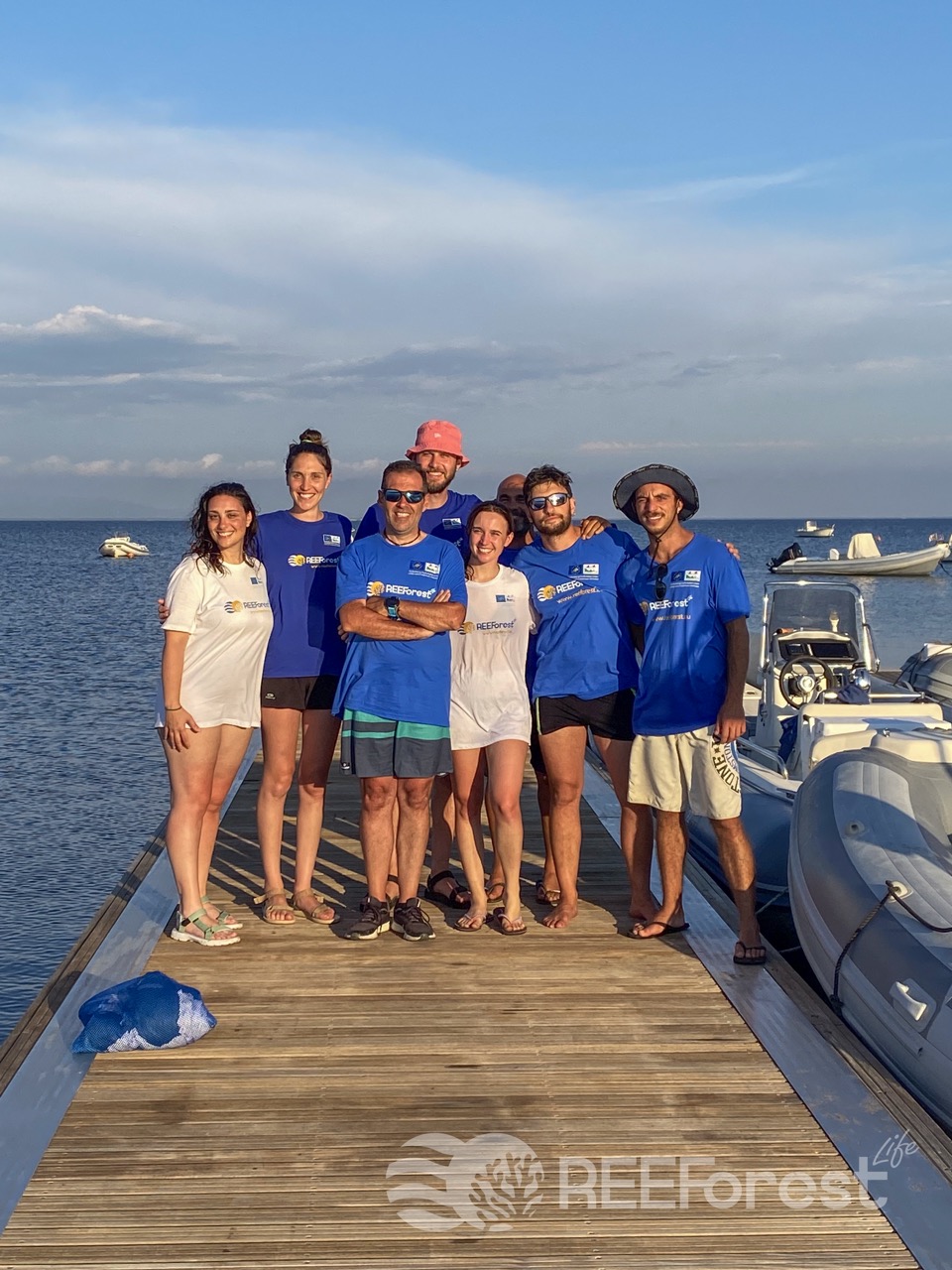
The latest activities in Sardinia are an excellent opportunity to discover more about the different stages of marine restoration of Cystoseira sensu lato. Let’s dive into the crystal clear waters of Sardinia with our team!
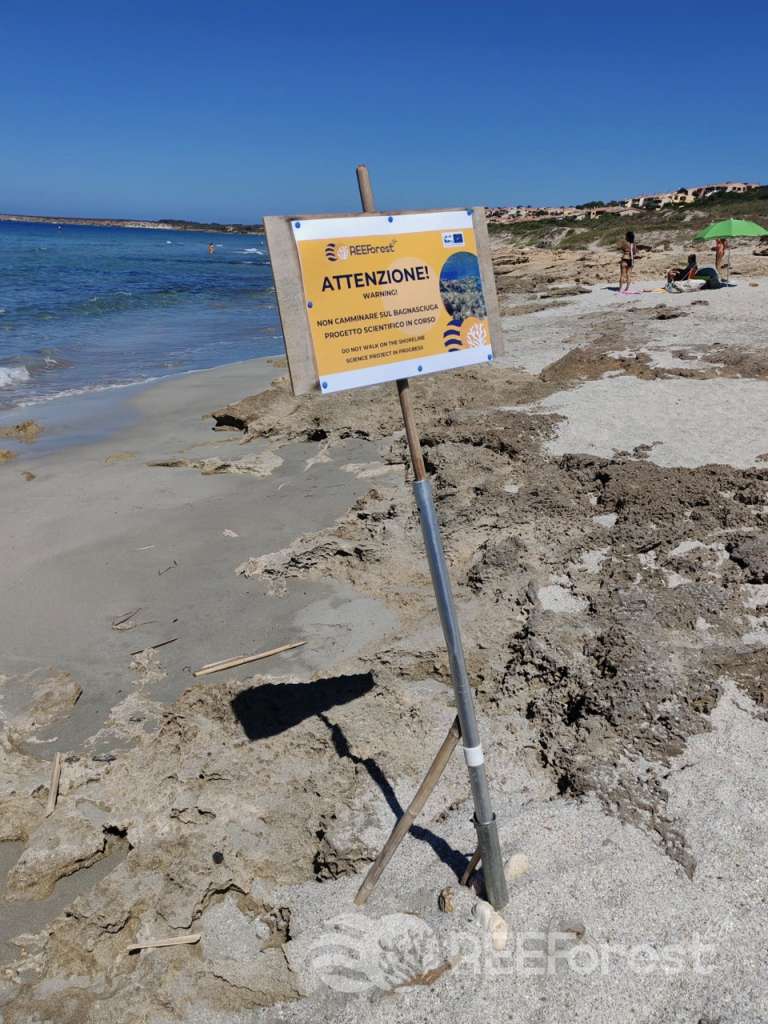
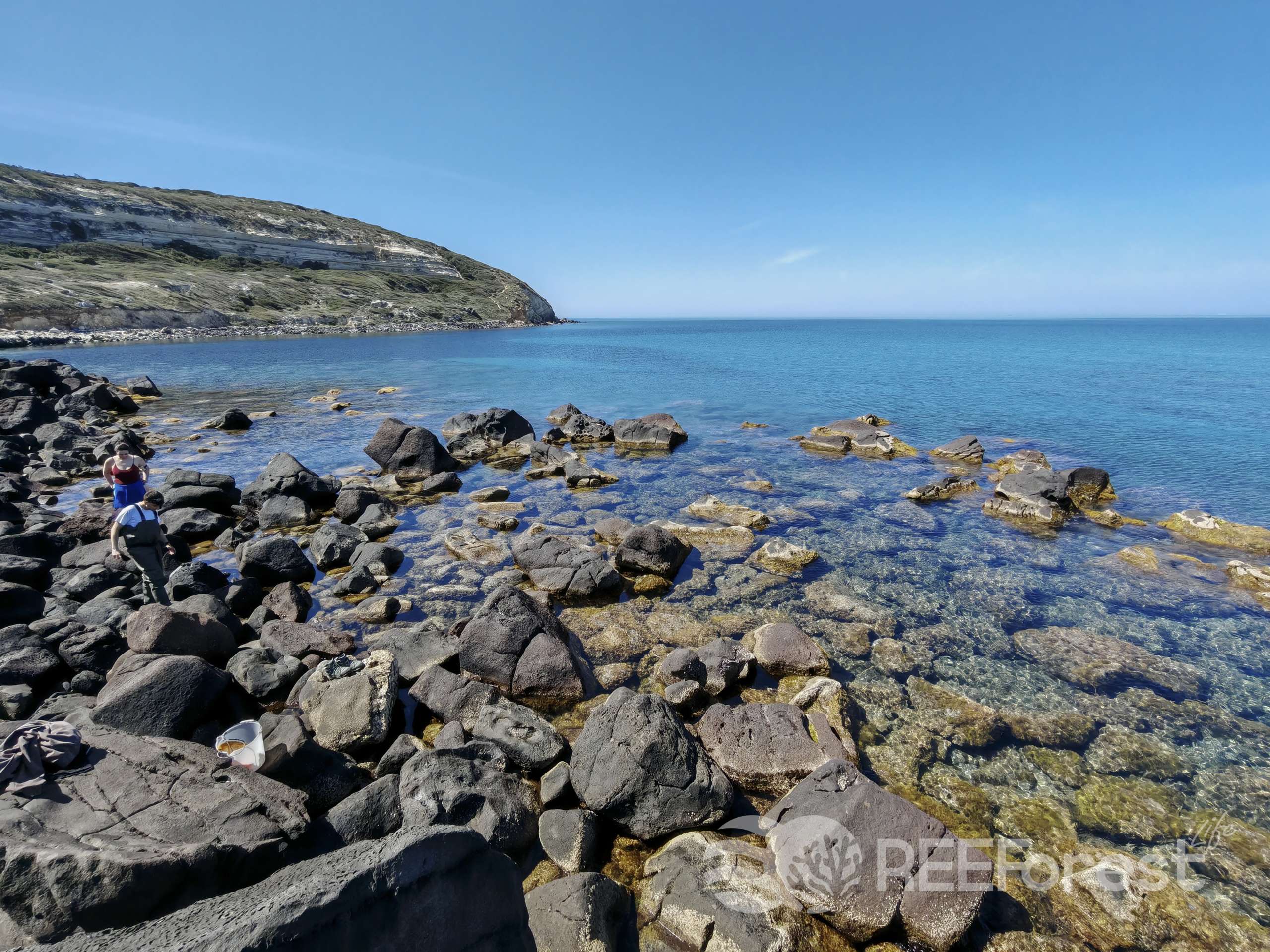
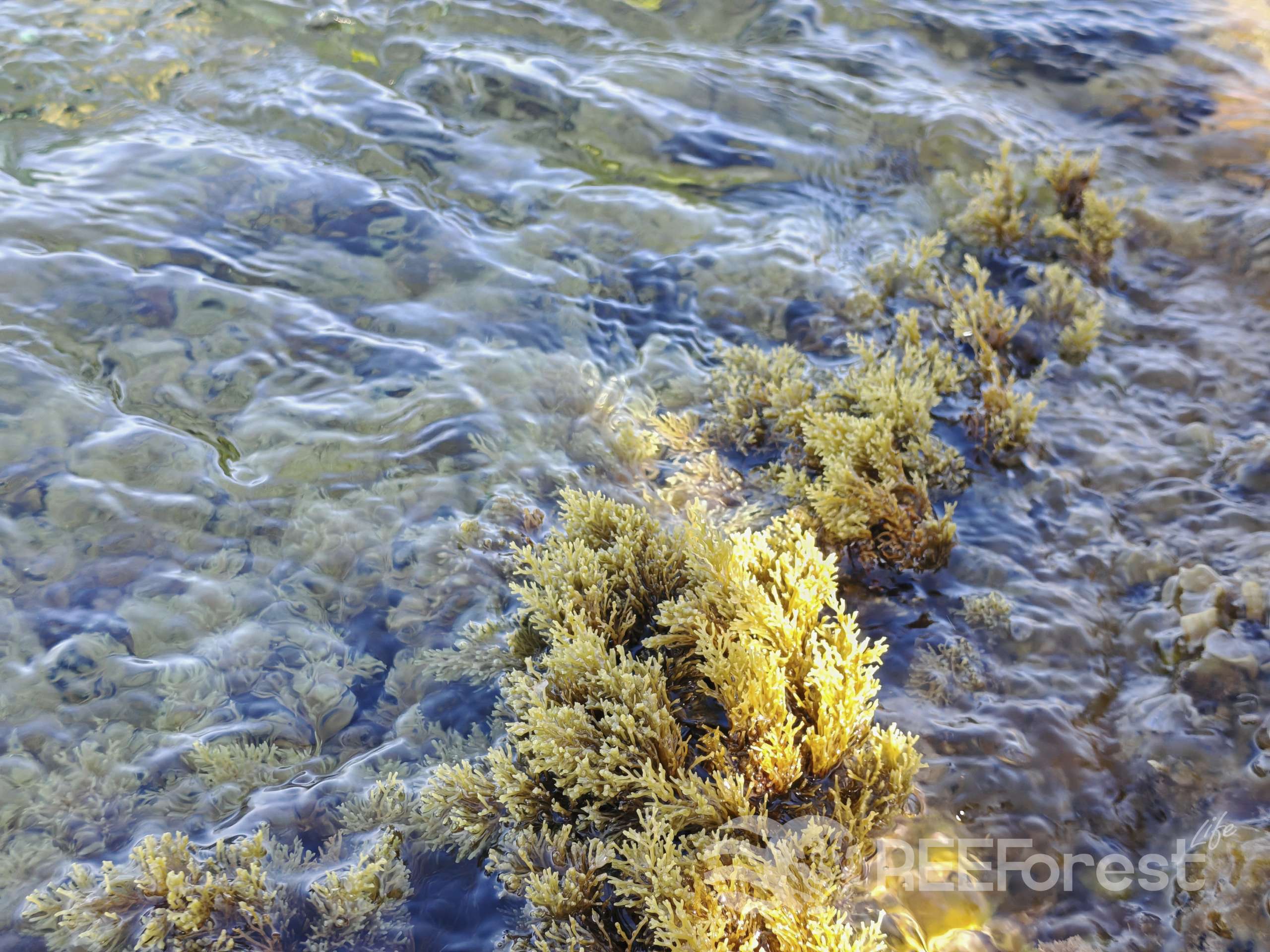
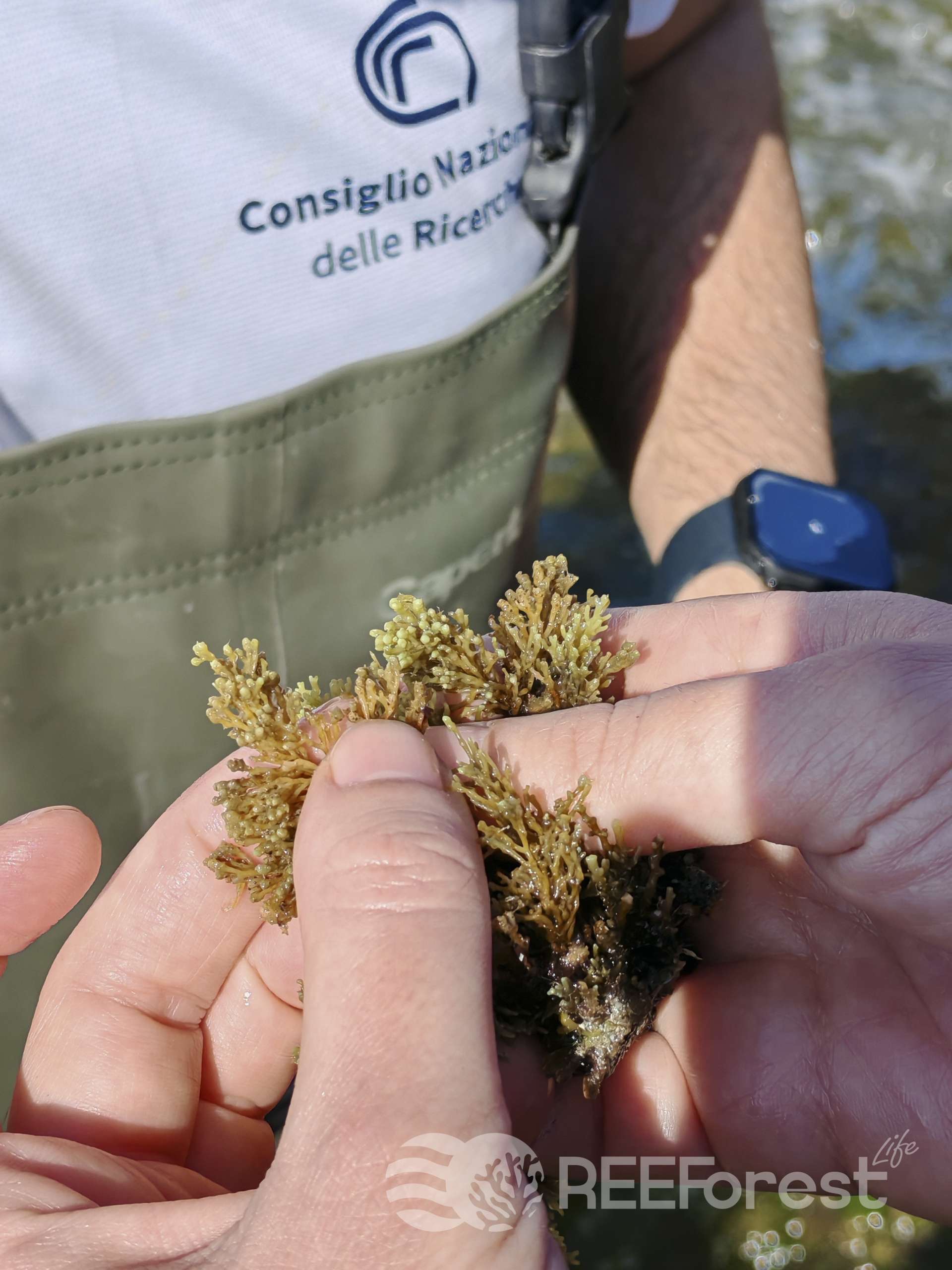
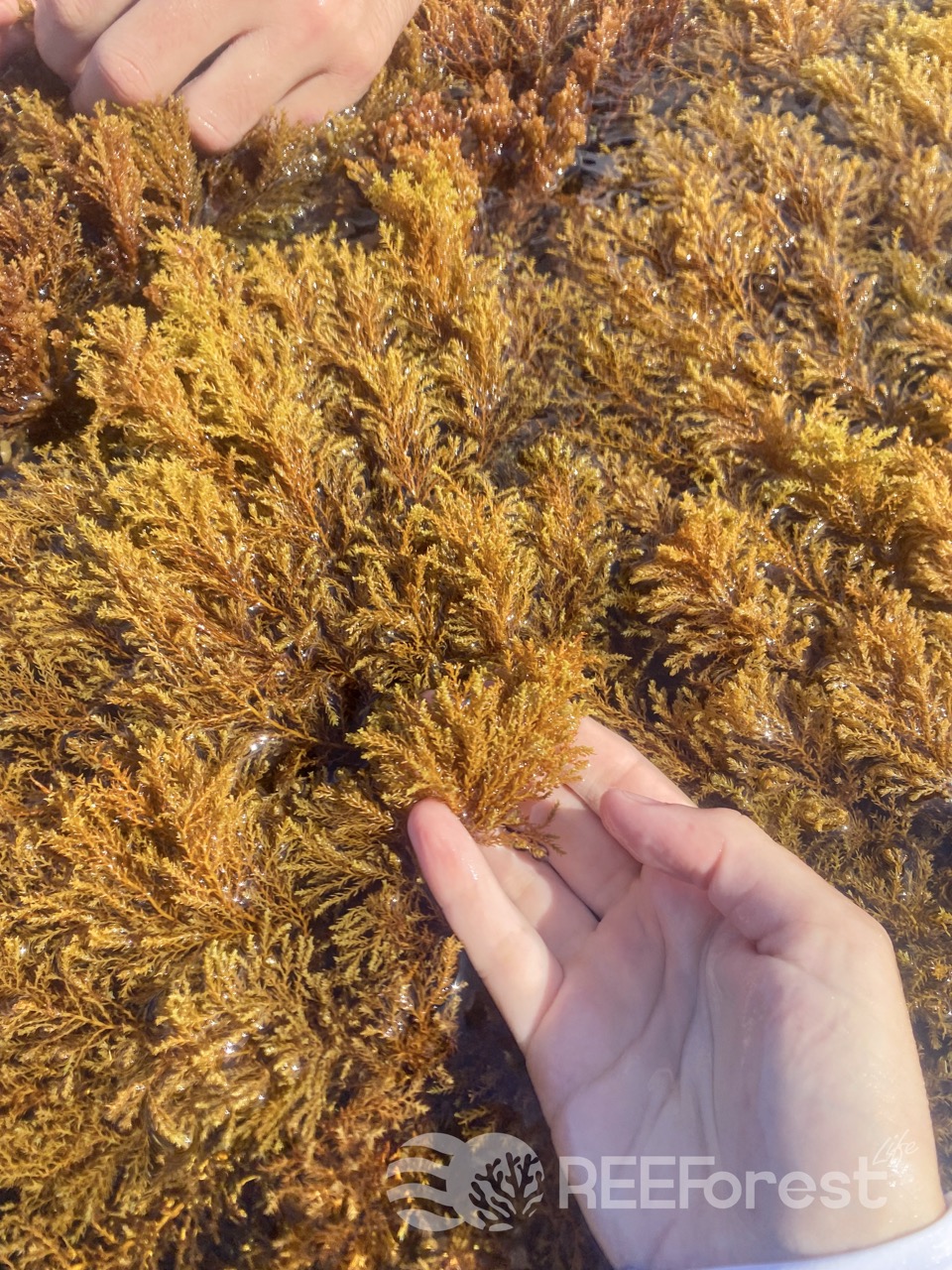
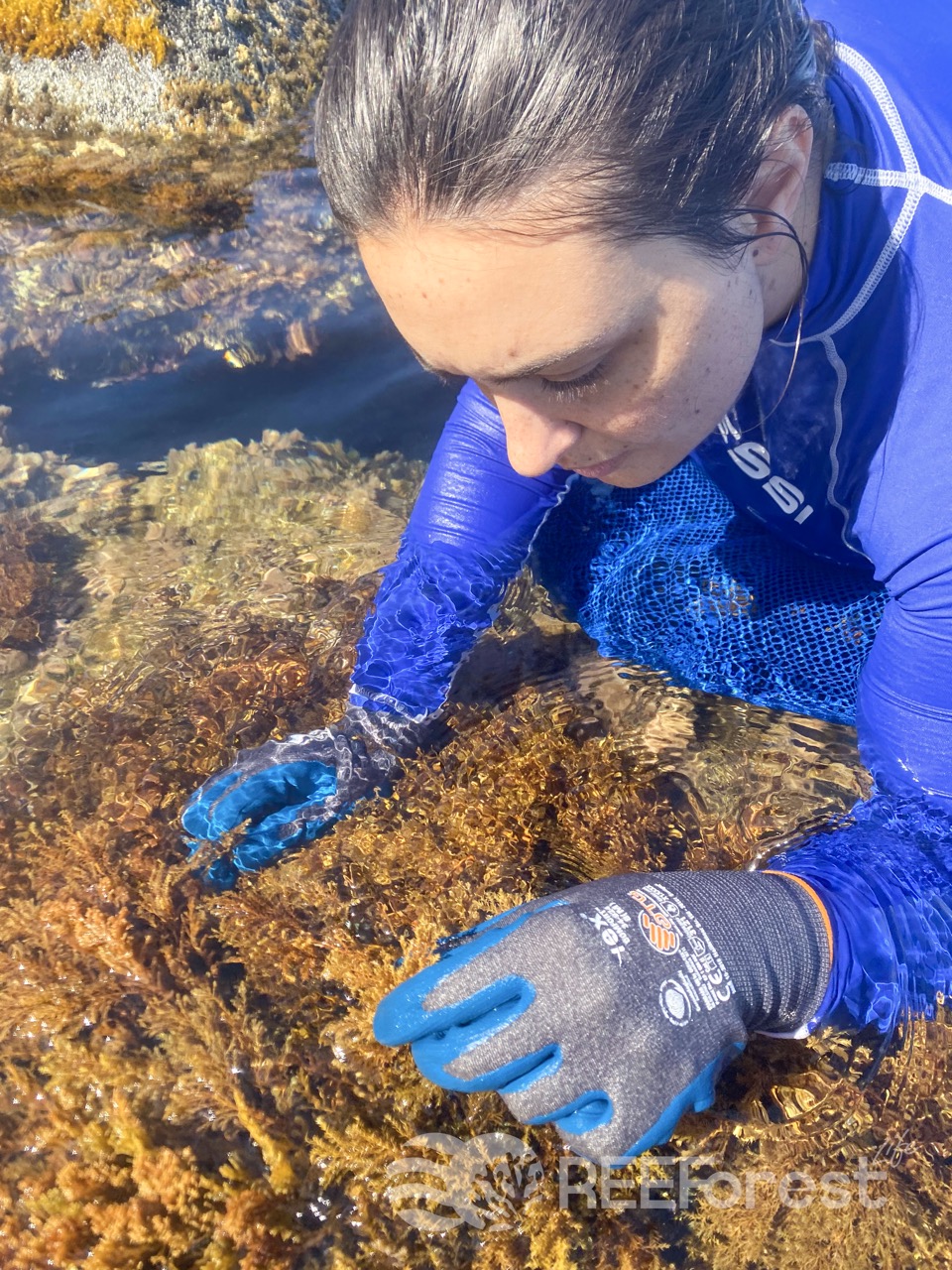
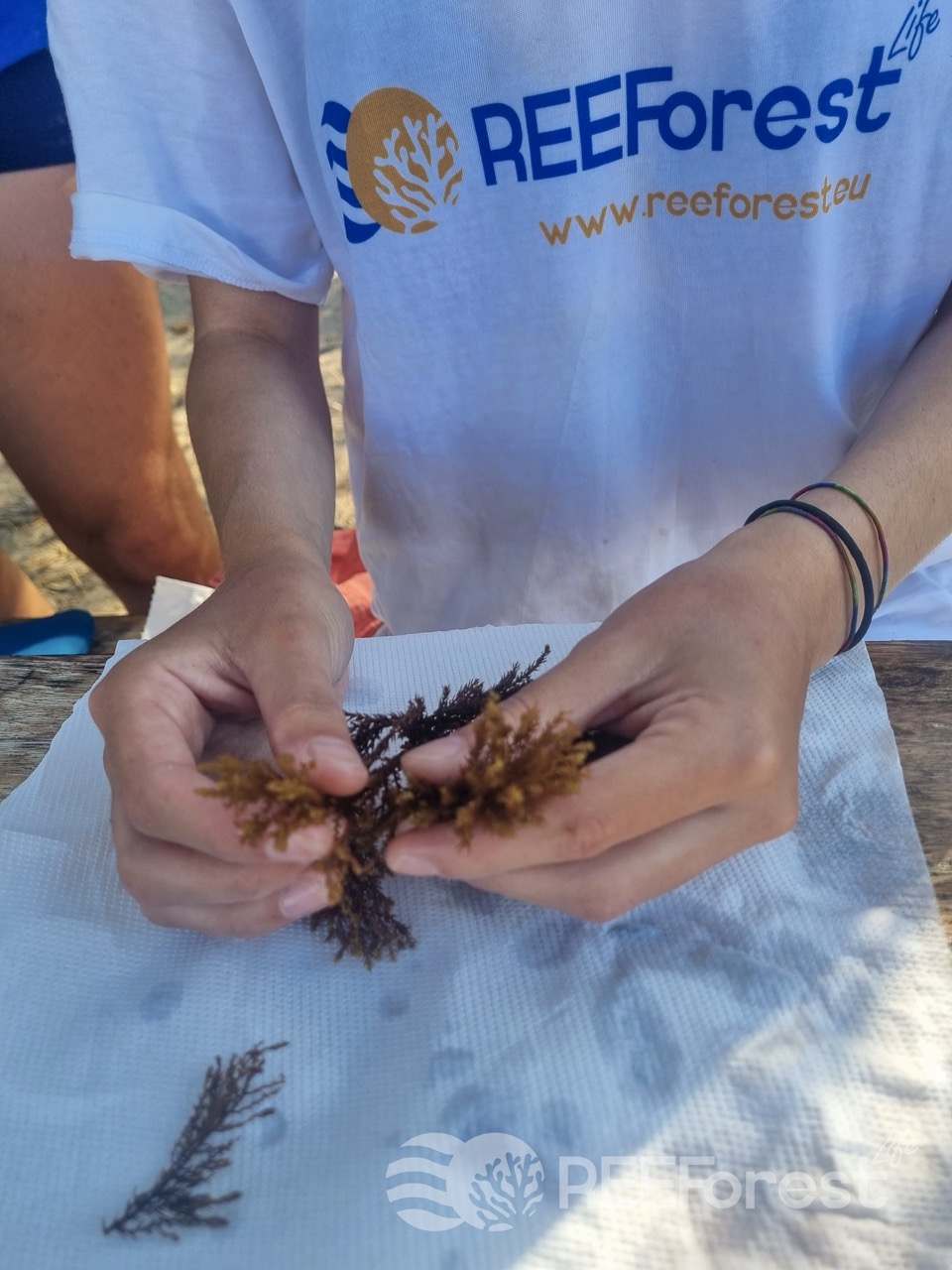
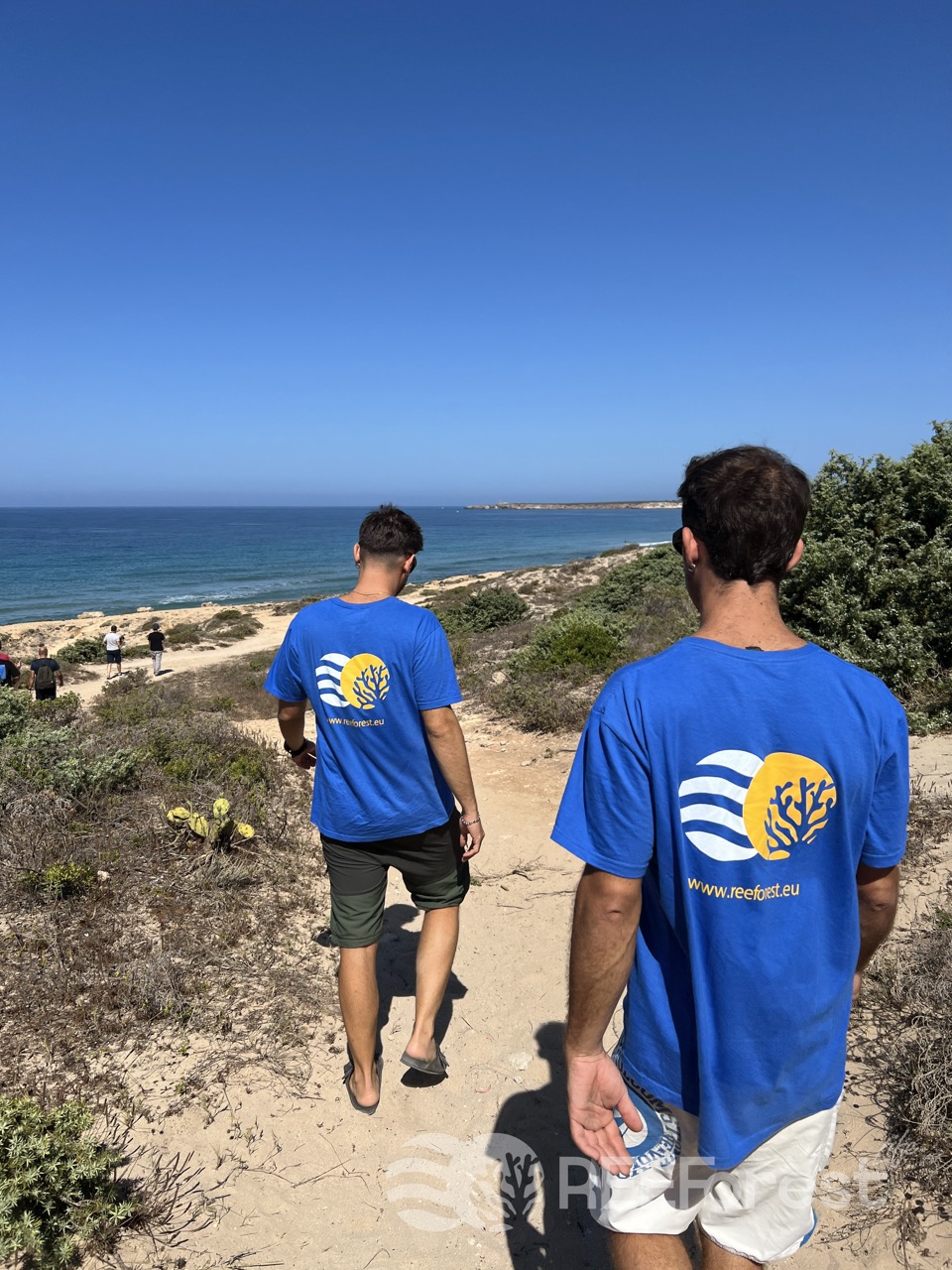
With the support of the Marine Protected Area staff, the team spent a day working on land to study the intertidal macroalgae species we are interested in, such as Ericaria amentacea. We monitored two different sites and collected samples of the species found, in order to select possible donor sites for summerharvesting.
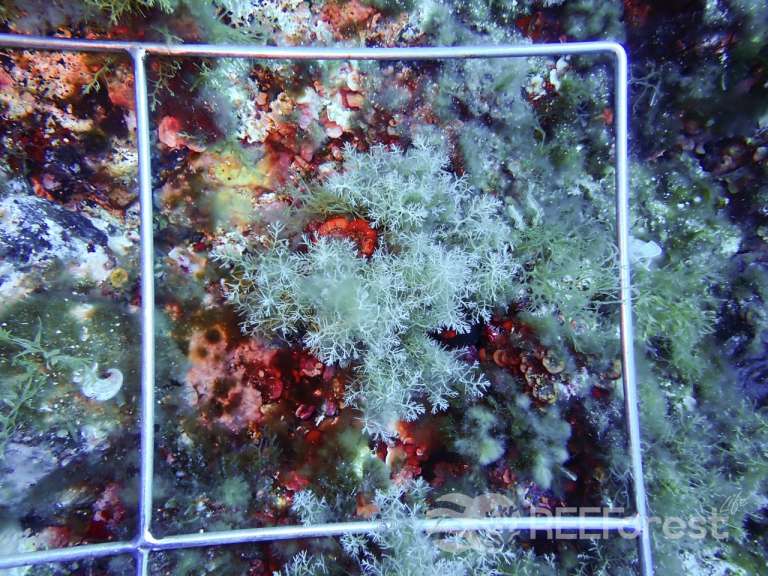
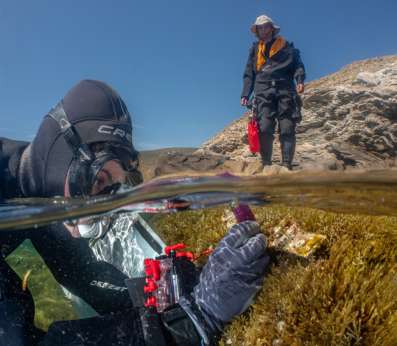
Two days were dedicated to diving at depths between 24 and 30metres. We assessed the presence and abundance of subtidal species such as Cystoseira crinitophylla. We took photo squares to assess the distribution of the different species and collected deep samples for molecular and morphological taxonomic analysis to be carried out in the laboratories of the University of Trieste.
Giugno - The harvest and the culture
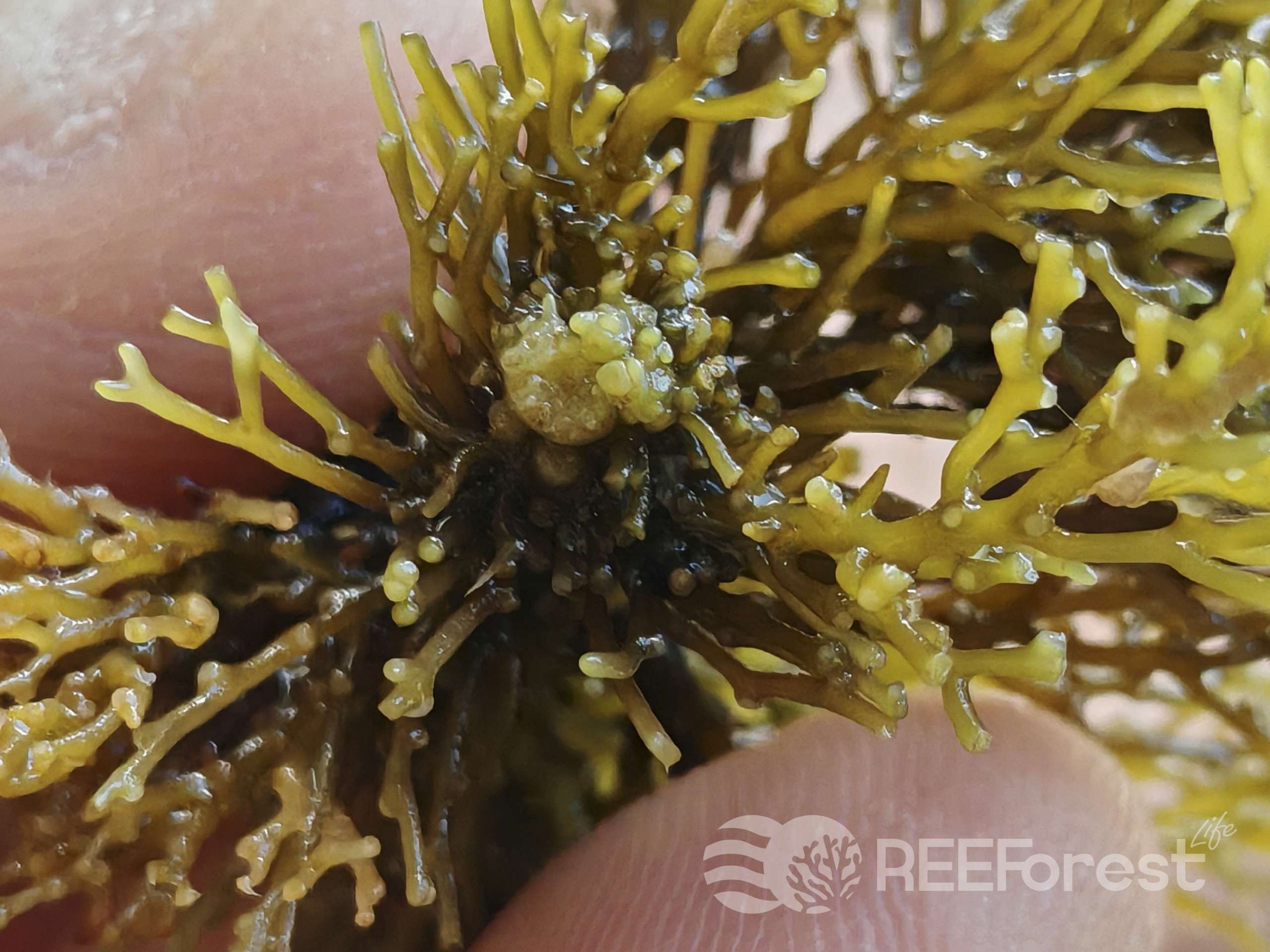
At the beginning of summer, the staff of the Sinis Peninsula – Mal di Ventre Island Marine Protected Area reported the fertility of Ericaria amentacea. Researchers from the University of Trieste returned to Sardinia together with the team of biologists from the Shoreline cooperative. They spent two intense days collecting fertile tips of this species.
Ericaria amentacea is a macroalgae that lives in the intertidalzone, and our team collected the fertile material from the shore, without needing to dive.
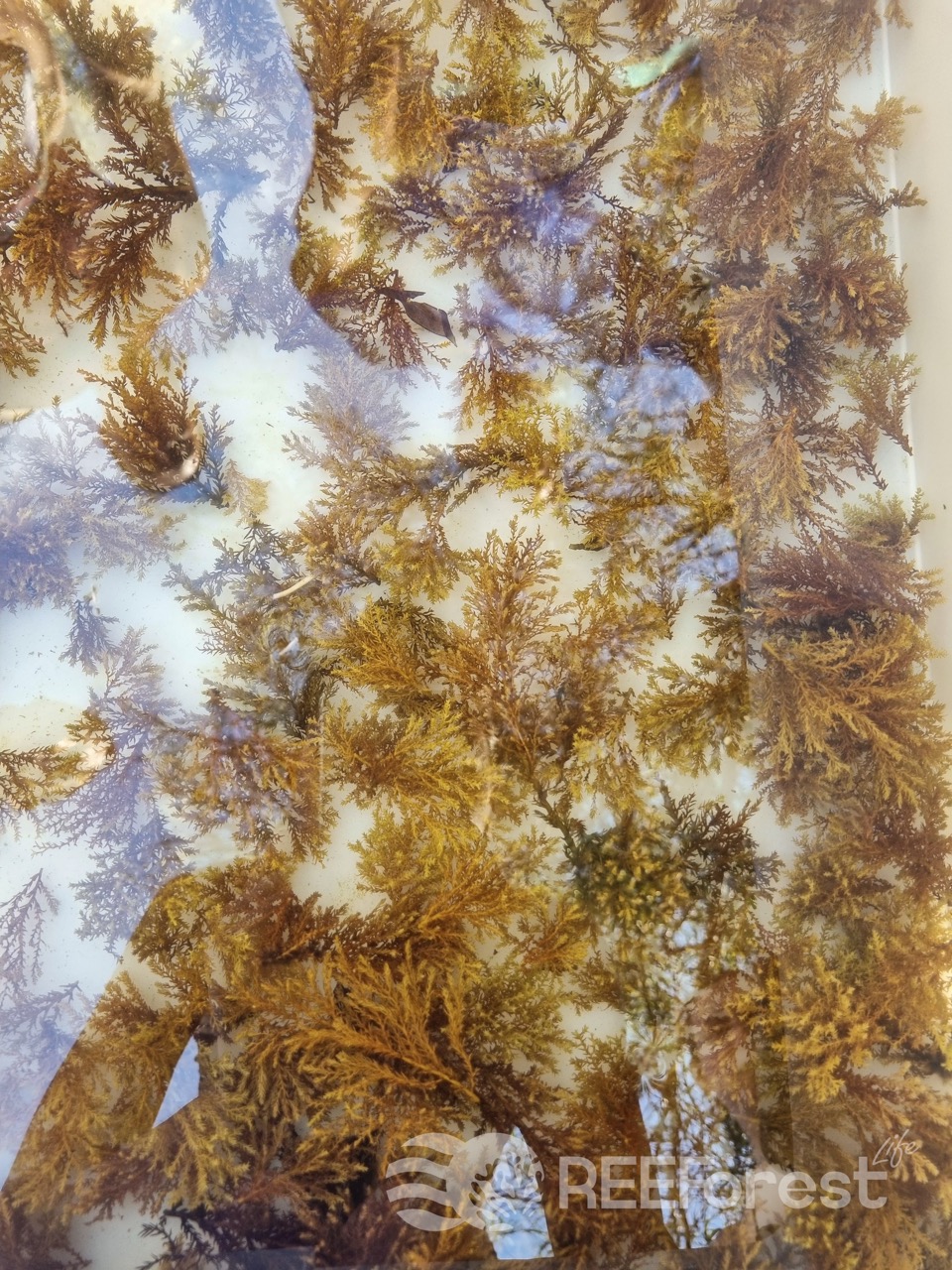
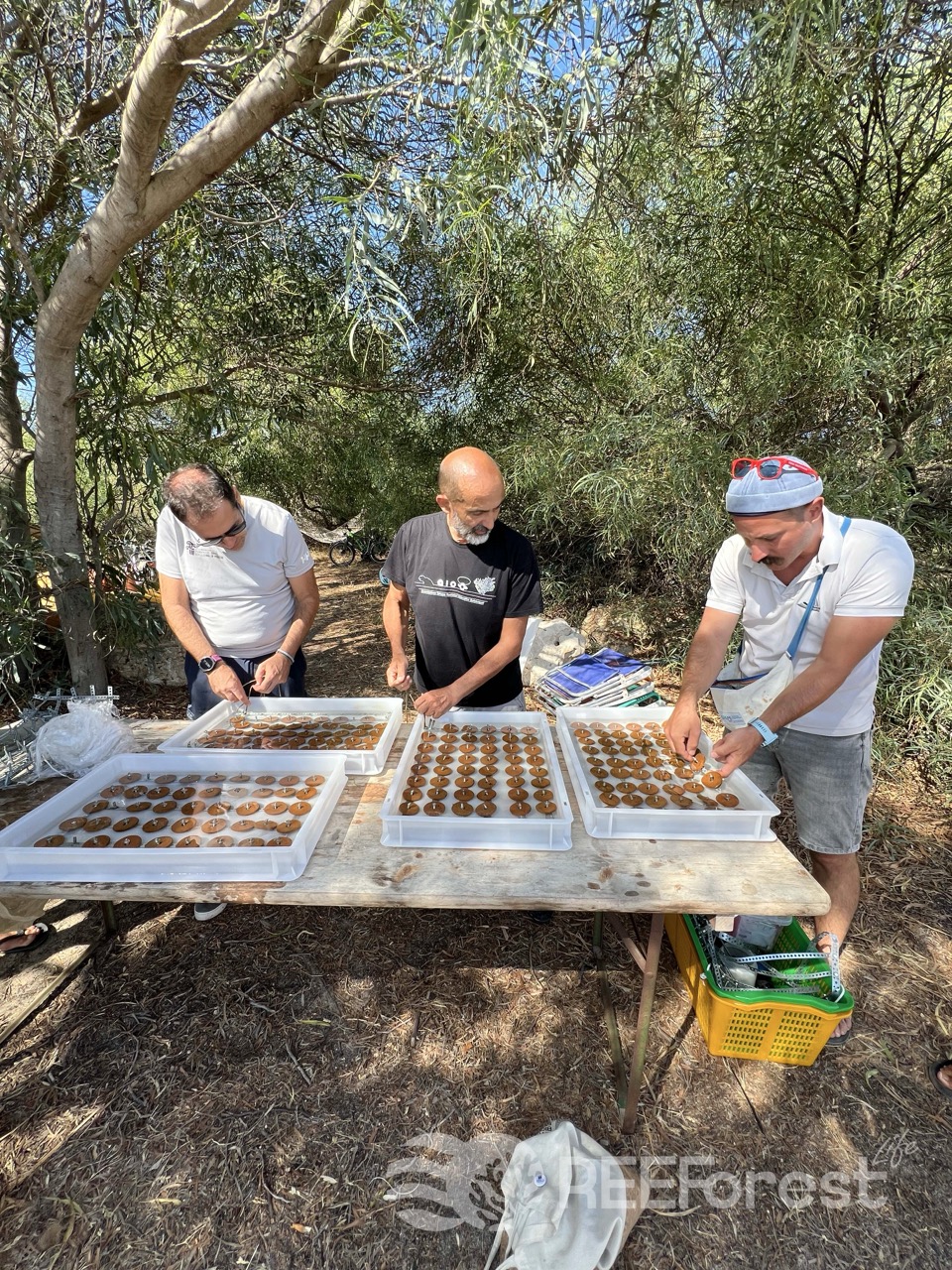
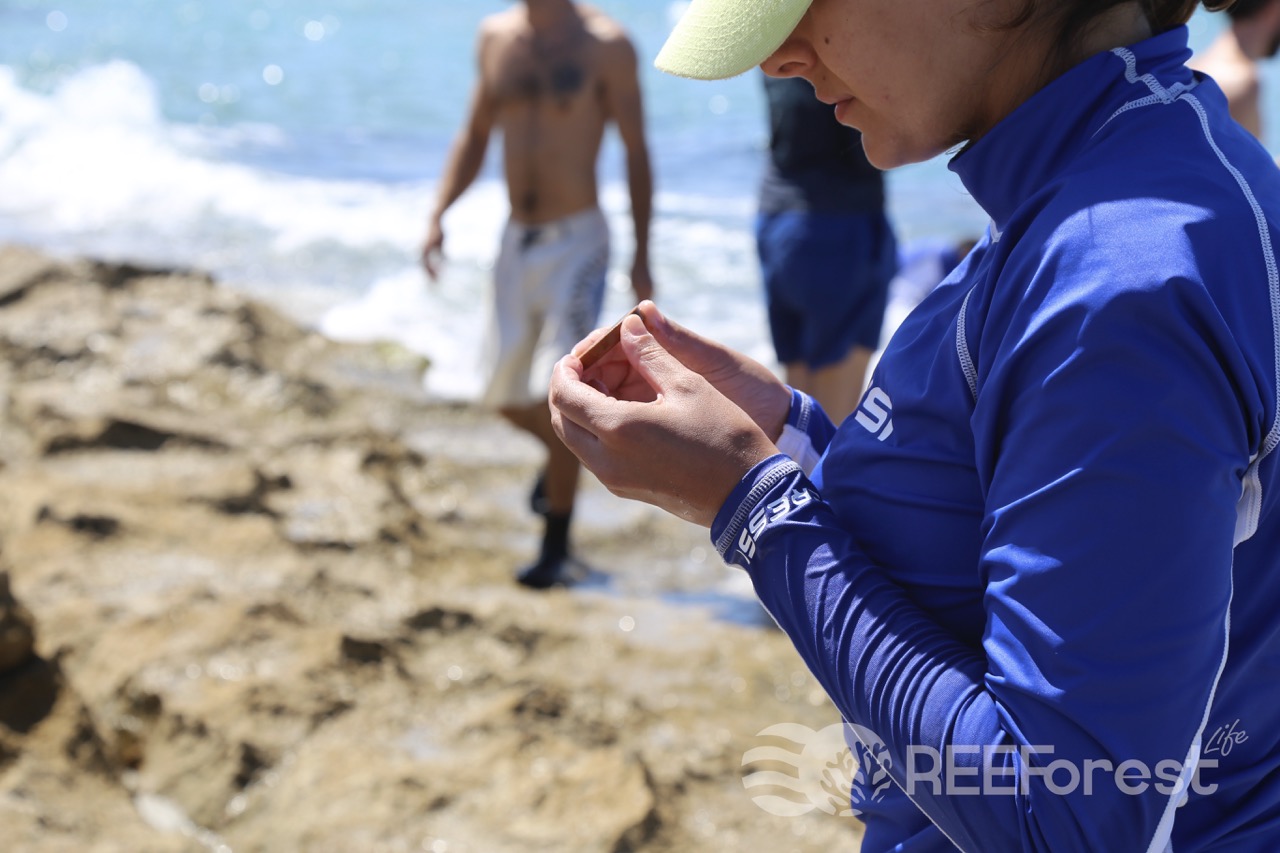
After harvesting, we selected the fertile tips to bring to the University of Trieste. This selection phase is called sorting and also involves preliminary cleaning to facilitate laboratory operations.
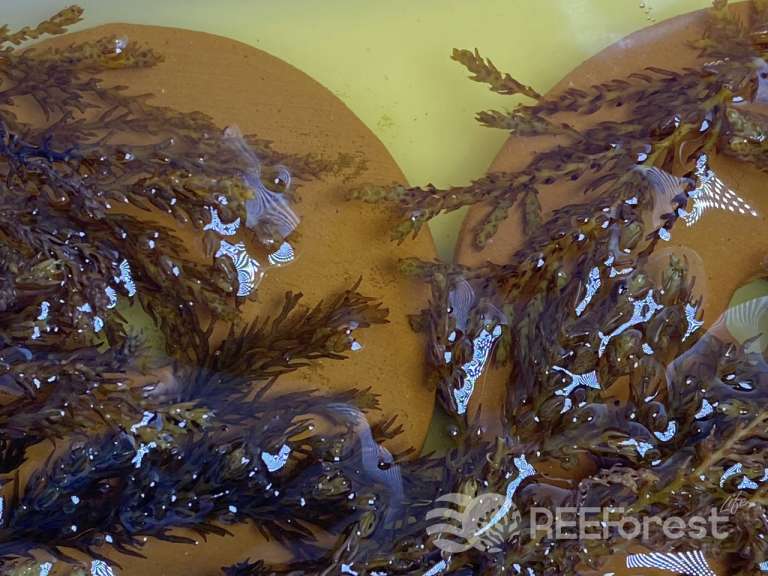
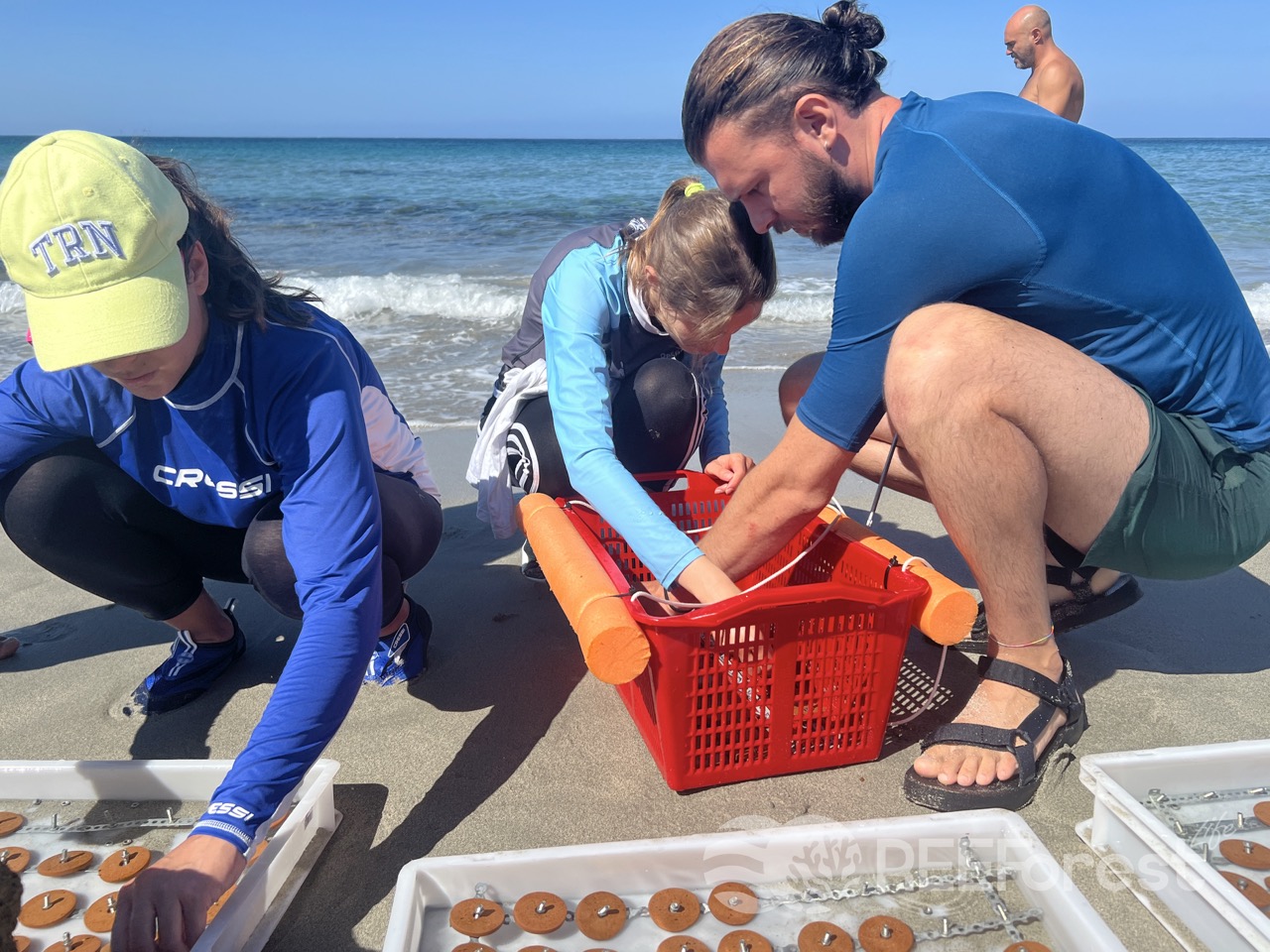
Once back in Trieste, our researchers placed the apices on clay discs in a controlledenvironment. A sudden change in light and temperature induced the release of gametes into the tanks, initiating reproduction. Young individuals of Ericaria amentacea began to grow on the disks, waiting to return to the sea.
August - the outplanting
In mid-July, our researchers recorded sufficient growth of Ericaria amentacea thalli on the clay discs. We prepared the tanks and structures to avoid stressing the young algae during transport, and the team, made up of researchers from the University of Trieste and Shoreline biologists, set off for Sardinia.
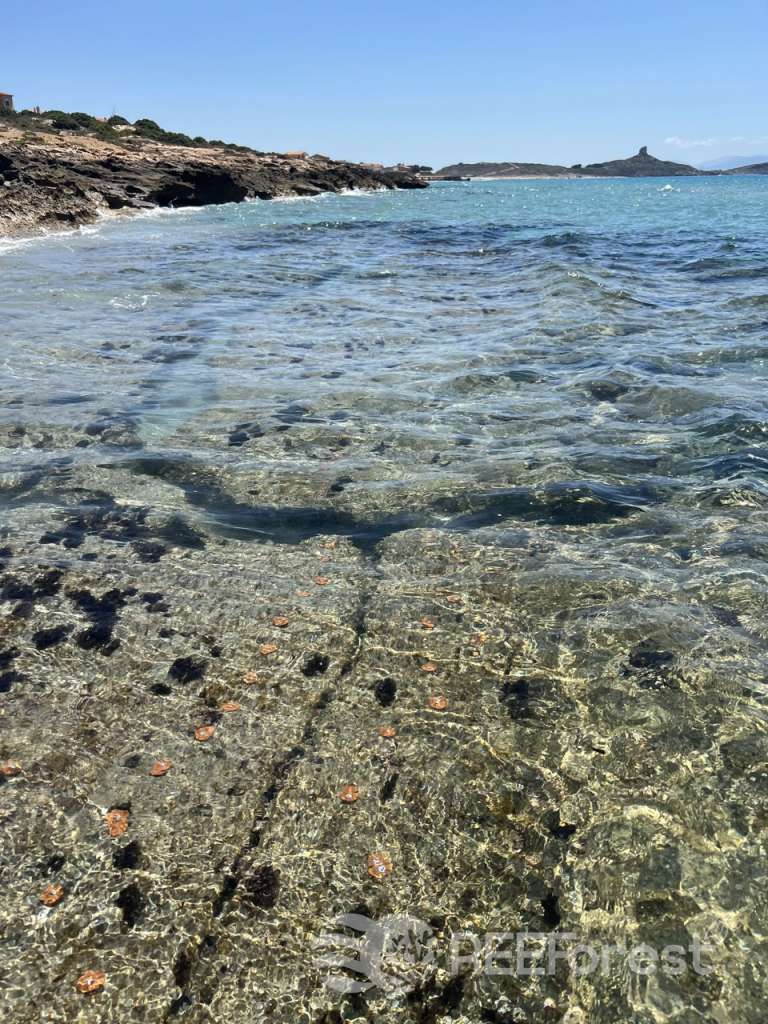
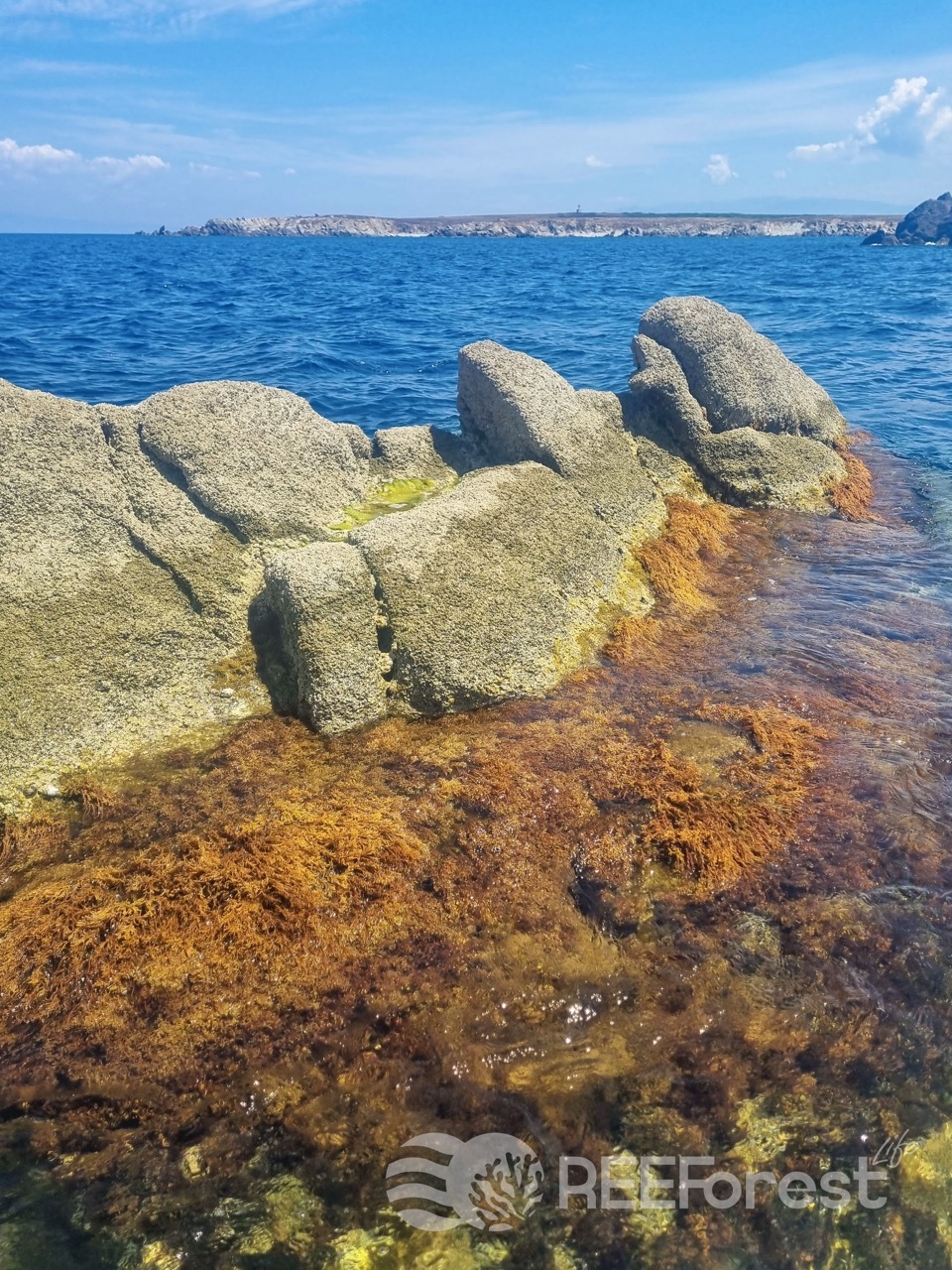
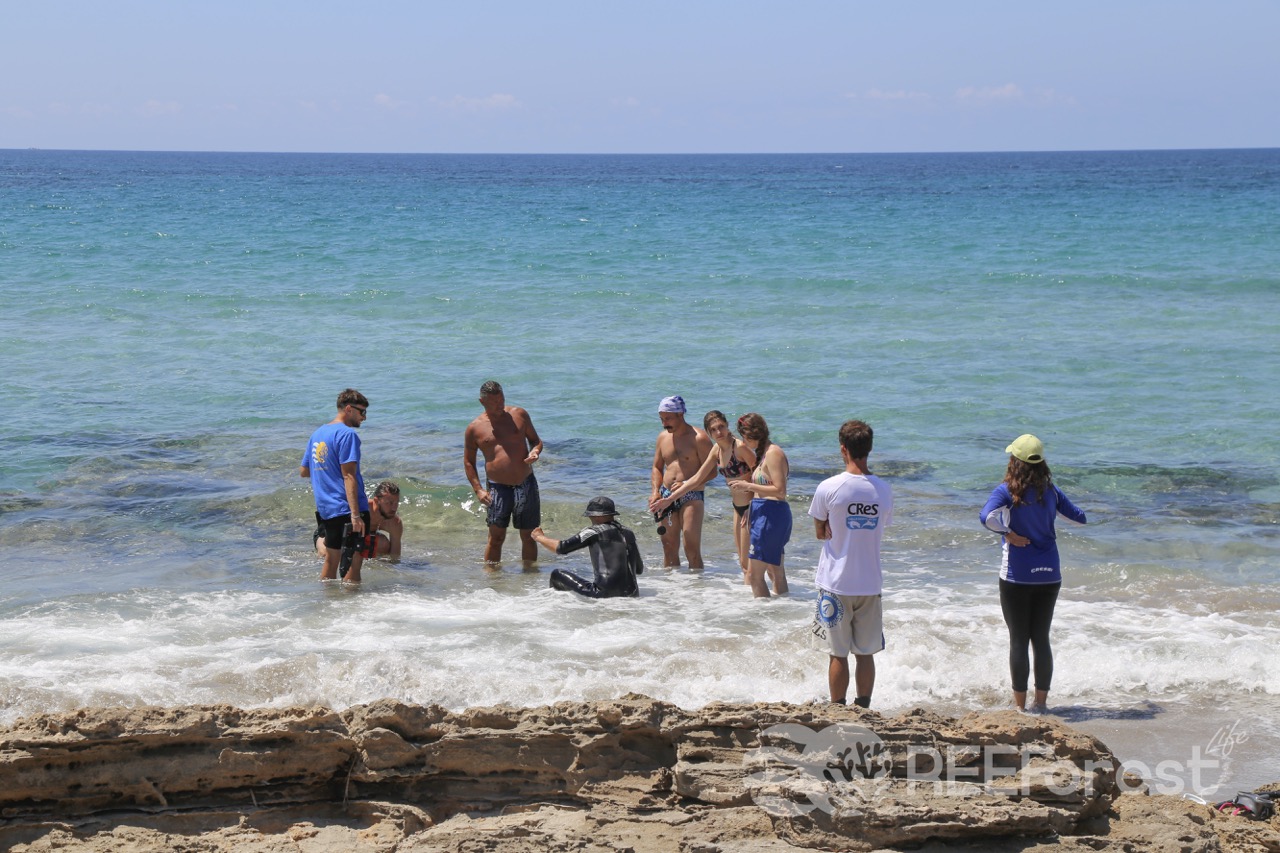
The receiving site in the Sinis Peninsula – Mal di Ventre Island Marine Protected Area is the “Sala da Ballo”, a short stretch of rocky coastline near the CReS, the Sinis Recovery Centre for sea turtles and cetaceans. Scattered tufts of Ericaria amentacea can still be found at this receiving site. Our restoration work is important to allow the species to repopulate the reef.
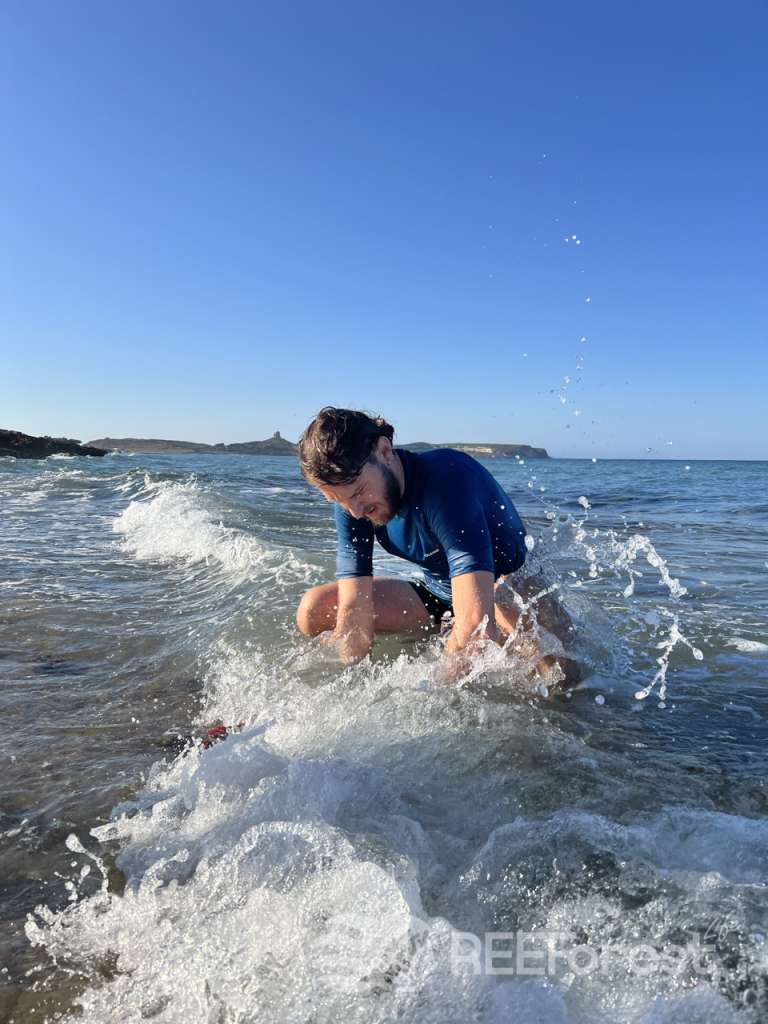
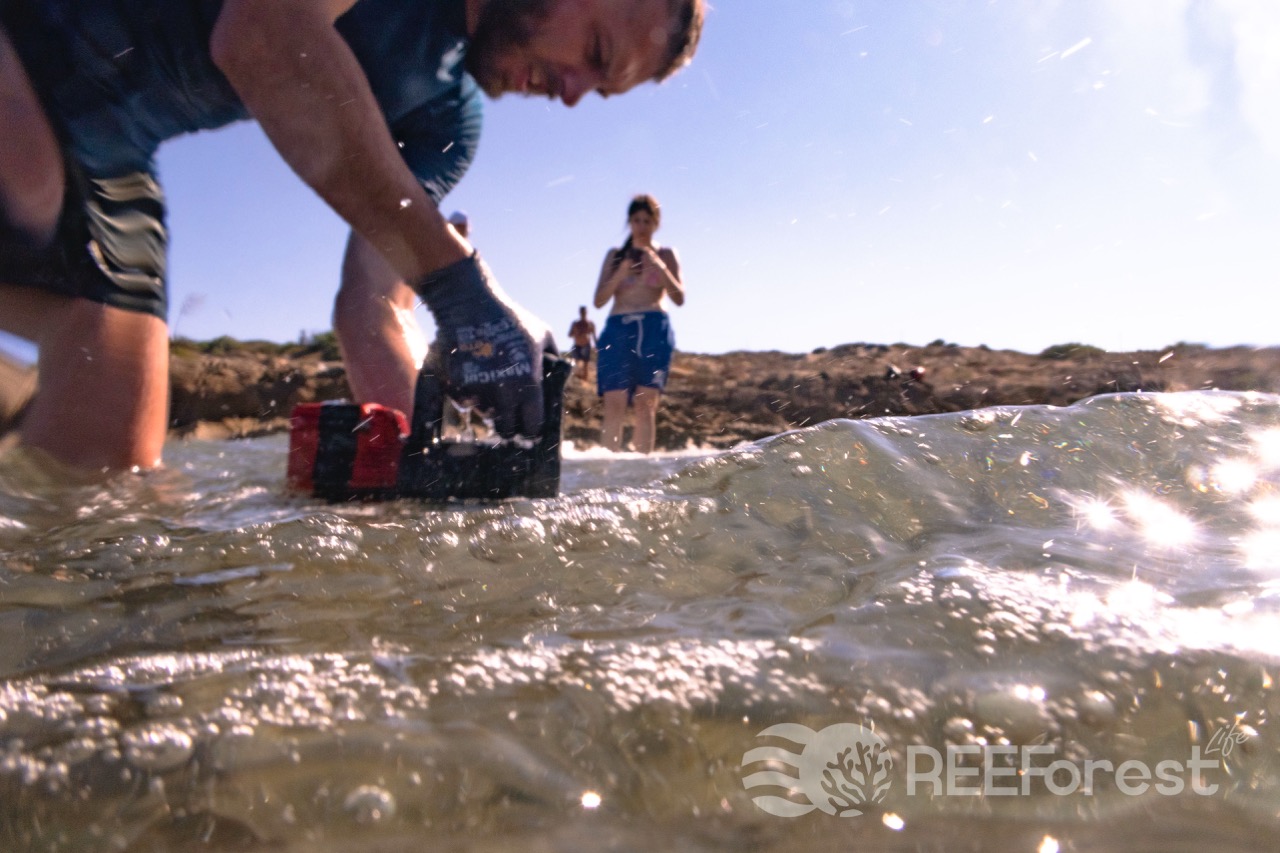
The sea conditions were noteasy: during the days of our activity, the mistral wind blew incessantly and the waves gave us no respite during the operations. Despite the force of the waves, we managed to secure all the discs into the reef.
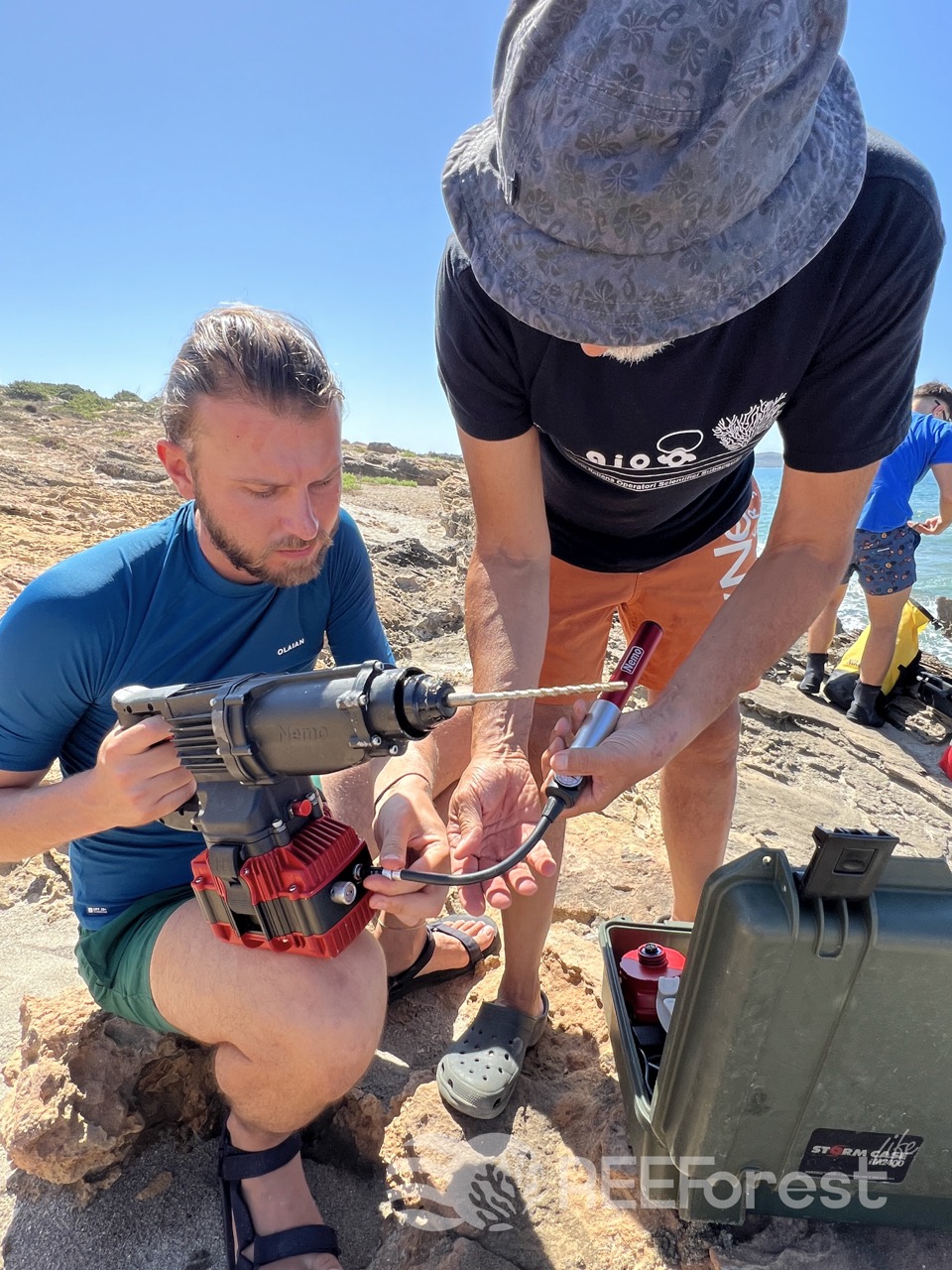
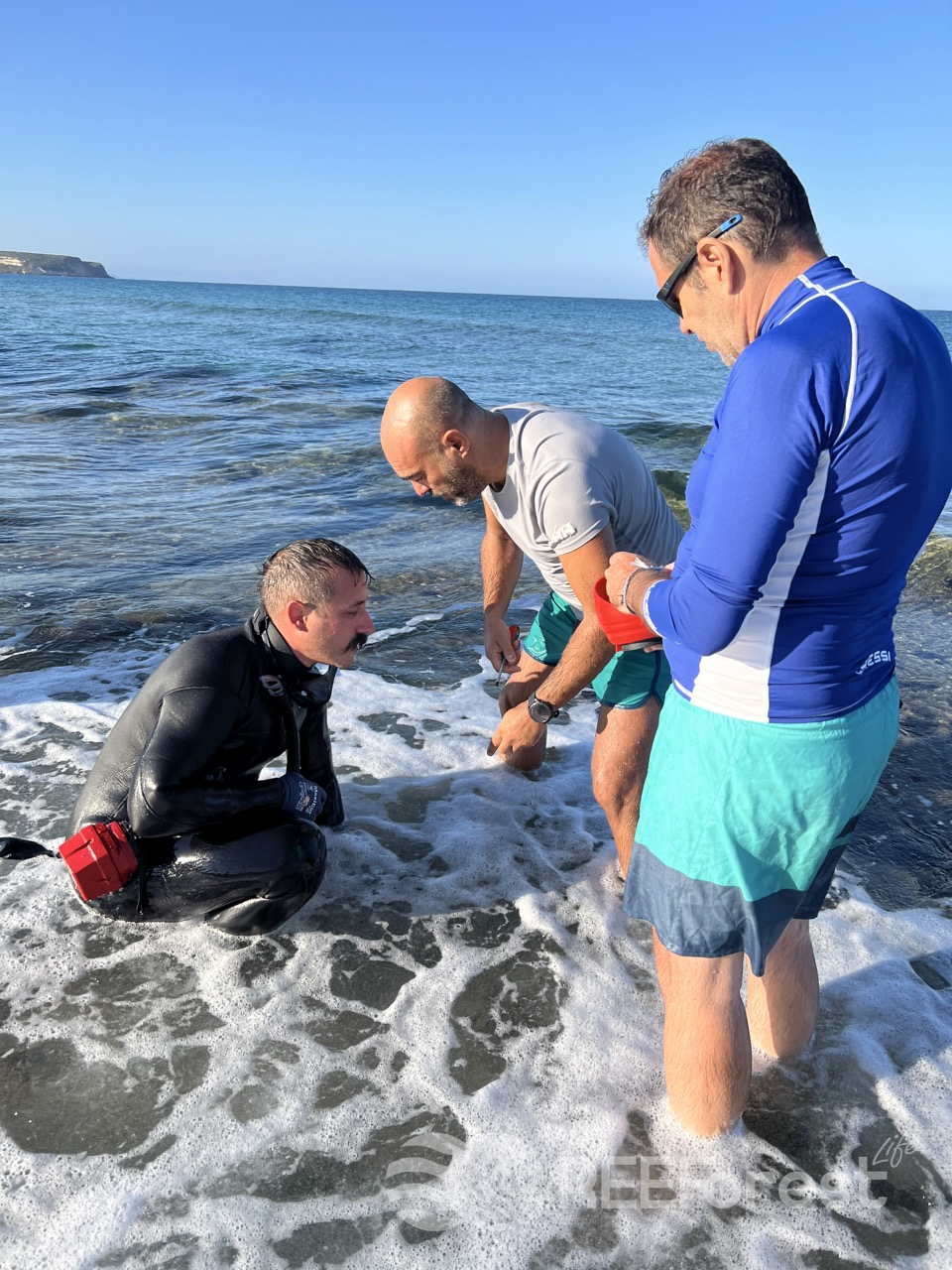
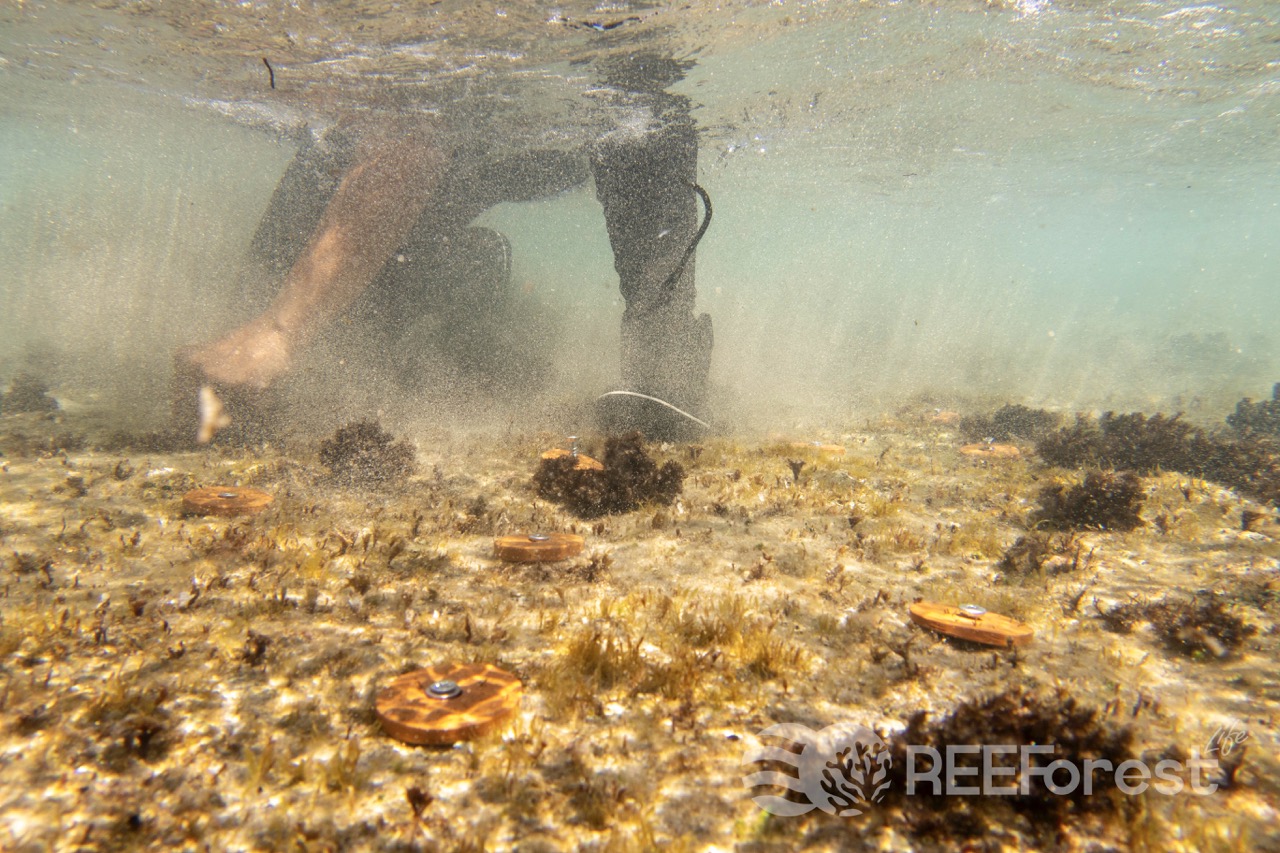
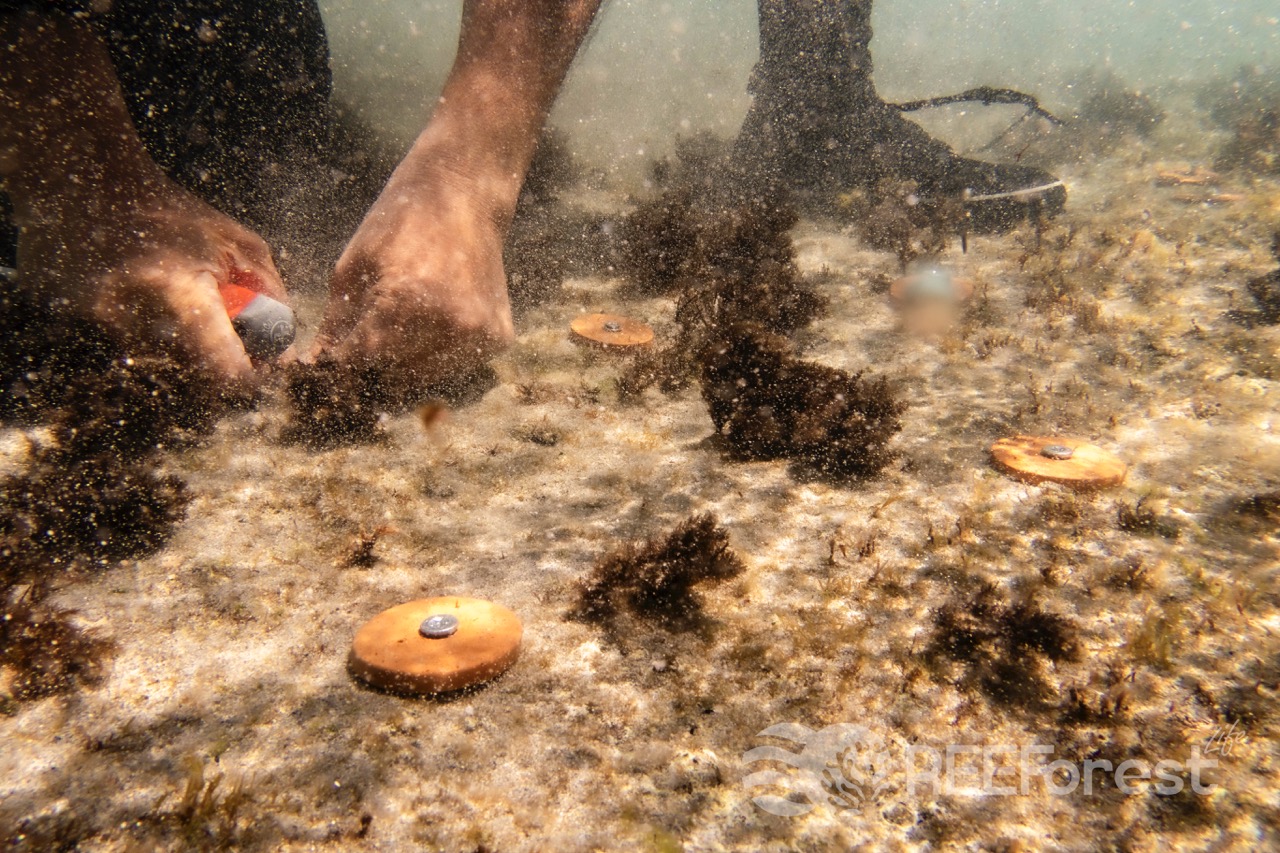
In order to minimise environmental impact, we fastened the disks to the reef one ata time. Using underwaterdrills, Shoreline biologists drilled holes in the rock and placed the screws at regularintervals. The rest of the team then fastened a disk to each screw, ensuring that it was firmly anchored to the reef.
Within a few years, the young algae growing on the discs will repopulate the “Sala da Ballo” with their carpet of fronds and create habitats for many marine species!