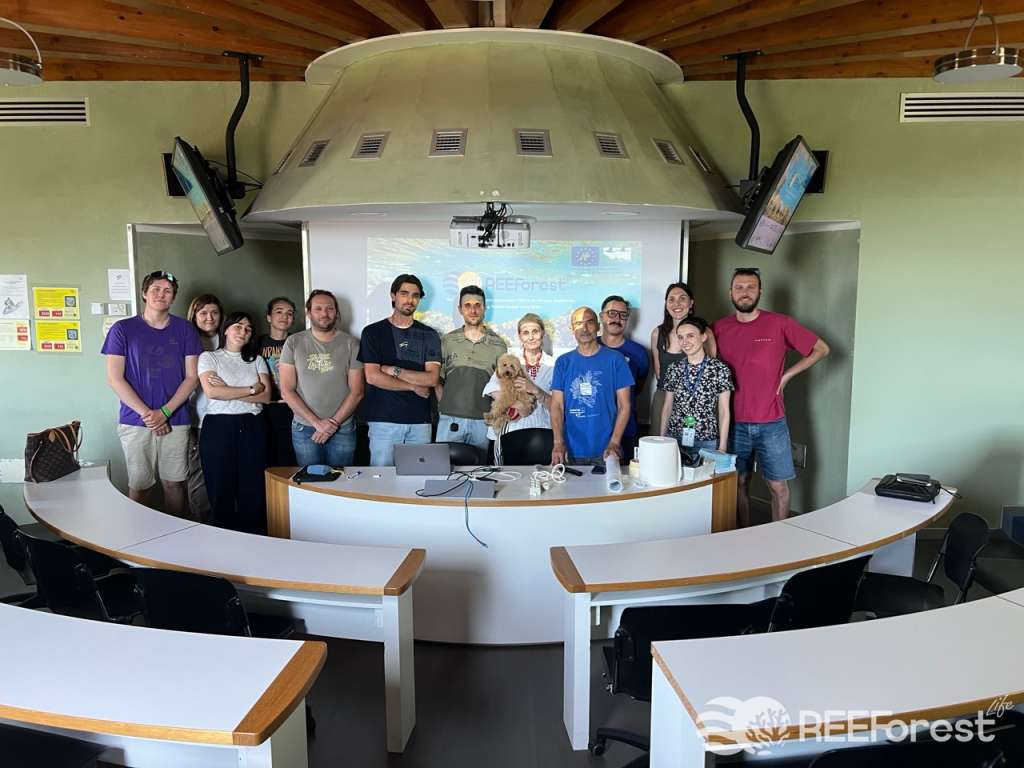
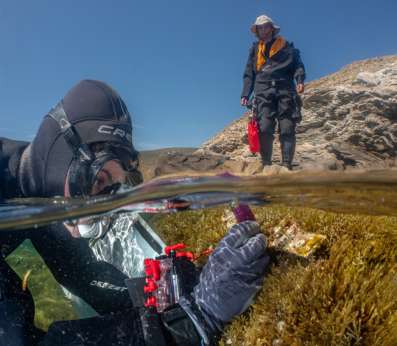
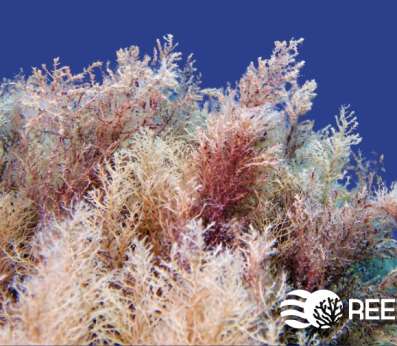
The month of June was full of events for Shoreline and the University of Trieste, partners in the REEForest project. Our team, which is usually engaged in scientific research and underwater operations, stepped in to share stories about marine restoration and engage a variety of audiences.
LIFE Platform Meeting
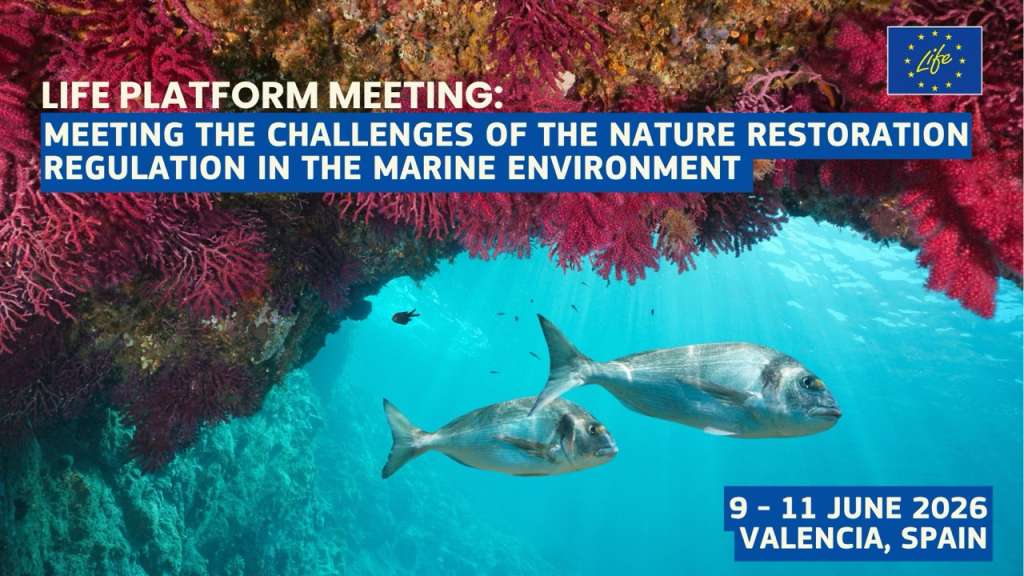
From June 9 to 11, the event “Life Platform Meeting: Meeting the Challenges of the Nature Restoration Regulation in the Marine Environment” was held in Valencia. The event was dedicated to policy makers and stakeholders to showcase the results achieved by projects co-funded by the LIFE program. Our scientific coordinator, Professor Annalisa Falace, presented the restoration initiatives for marine forests of Cystoseira s.l. carried out by REEForest, to offer suggestions and guidance on how to facilitate the future implementation of the new European Nature Restoration Regulation (NRR) for the protection of marine ecosystems.
Worldrise Campus
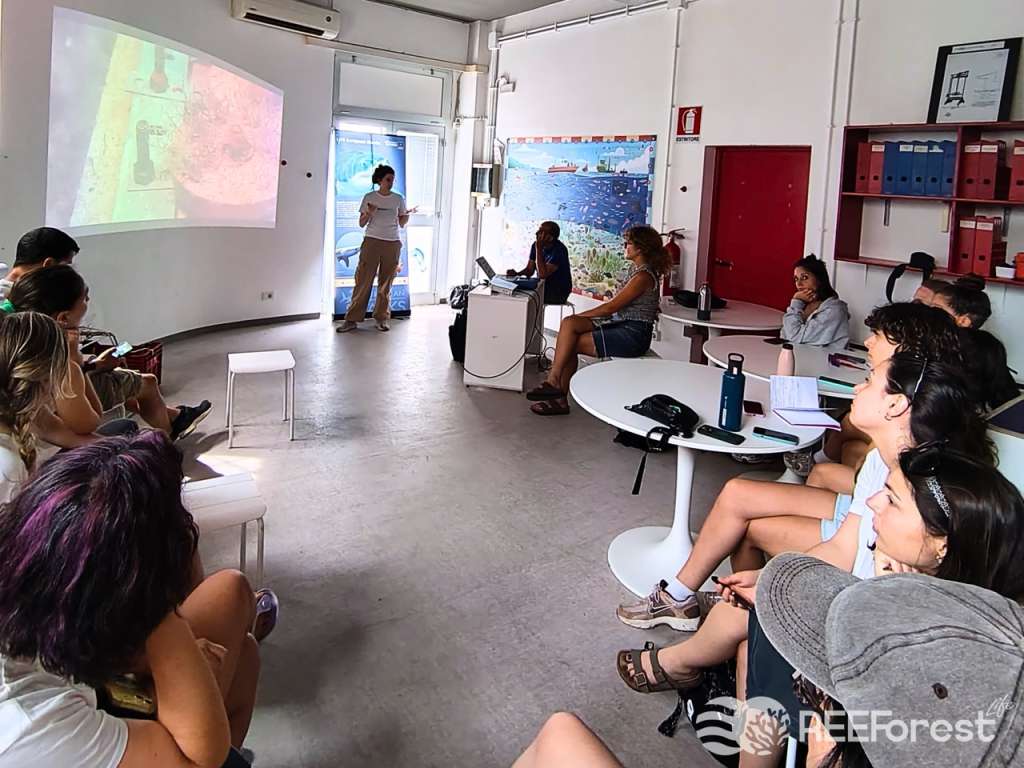
During the second week of June, the Worldrise Campus for students interested in the management of Marine Protected Areas took place in the Miramare Marine Protected Area in Trieste with the support of Shoreline. Th Campus was organised by Worldrise is a nonprofit organisation actively acting to protect the Mediterranean Sea. The team dedicated an entire day to explaining the design and implementation of environmental restoration projects, with a particular focus on defining the conditions that must be met before restoration work can begin. We presented the objectives and results of the REEForest project: some of the students were very impressed by our work and delved deeper into the project in detail, including our activities in their final project to share what they learned during the Campus.
Ecosystem Restoration at the University of Trieste
Researchers from Shoreline, in collaboration with the University of Trieste, gave a lecture to students in the master’s program in Marine and Coastal Environmental Sciences at the same university. We explained how to plan a marine restoration project, outlining the various steps needed to get the work started. We shared our experience in the restoration of marine plants and algae, certain coral species, and Pinna nobilis. The students then put their skills to the test with a game: imagining they were managers of a Marine Protected Area, they created a decision tree outlining the steps needed to begin an environmental restoration project.