In 2026, the HCMR team successfully completed a new cycle of REEForest restoration activities in Gyaros Marine Protected Area, from field monitoring and collection to laboratory cultivation and outplanting.
Winter
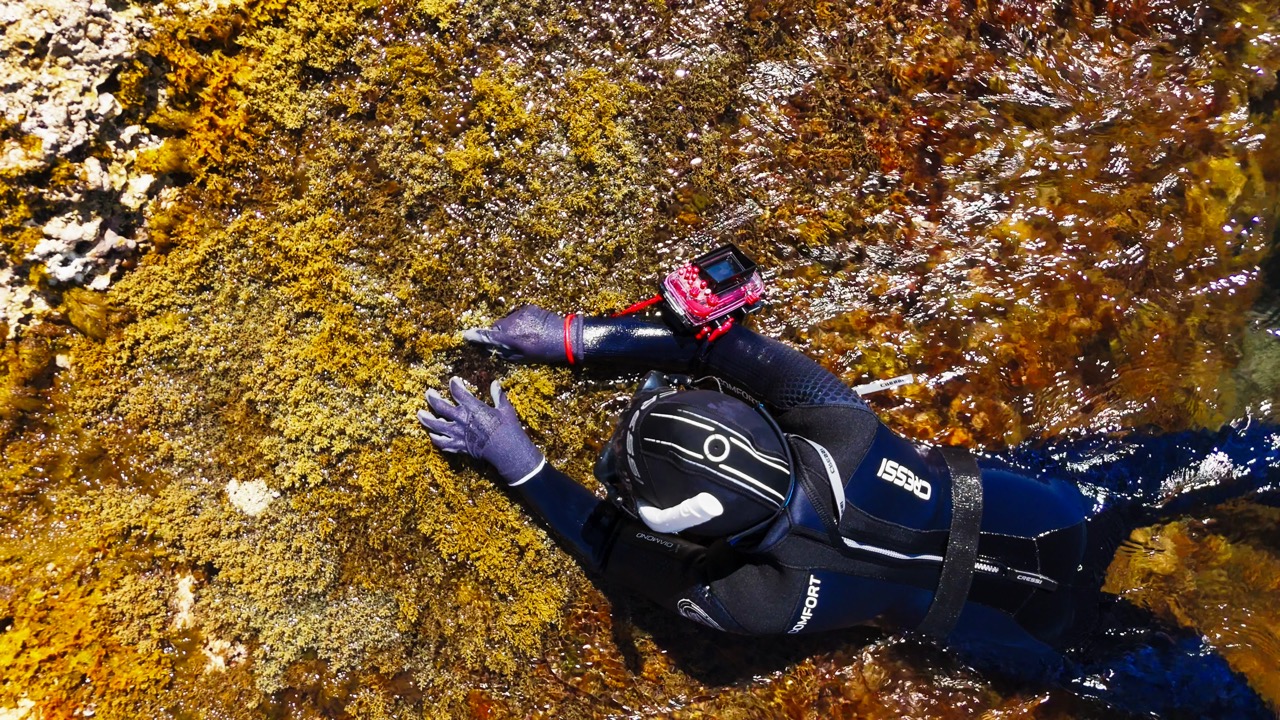
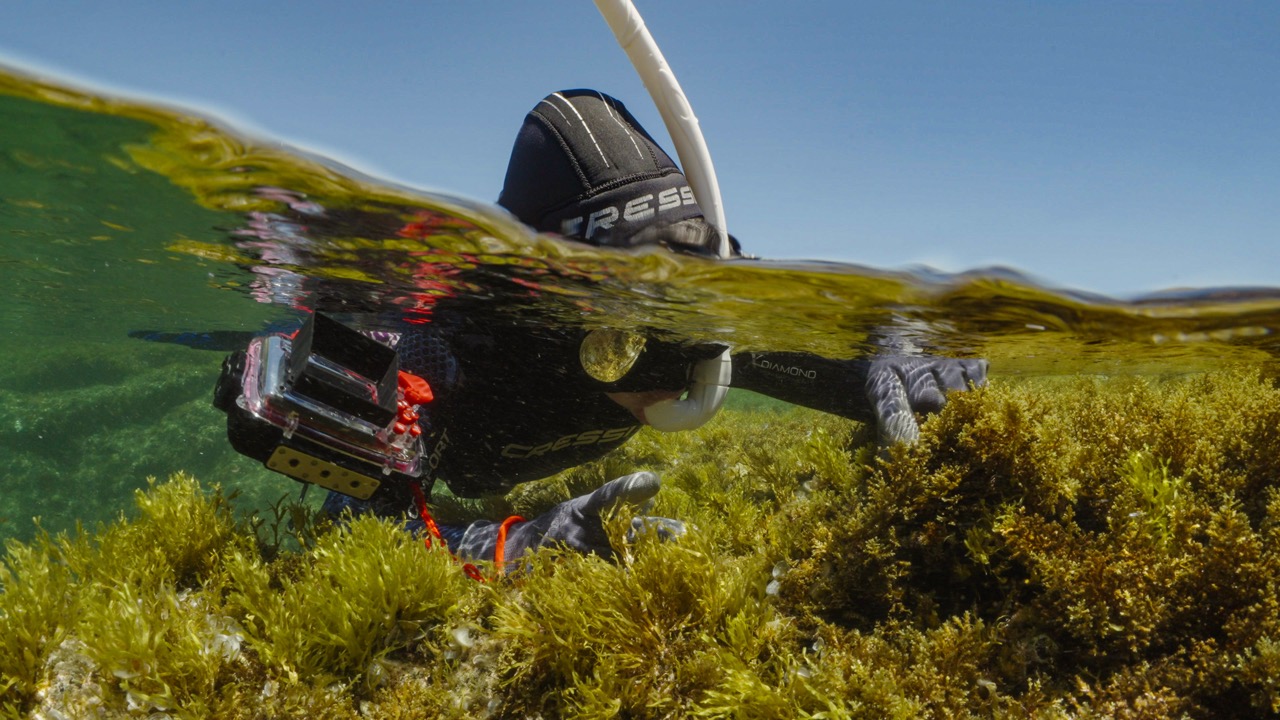
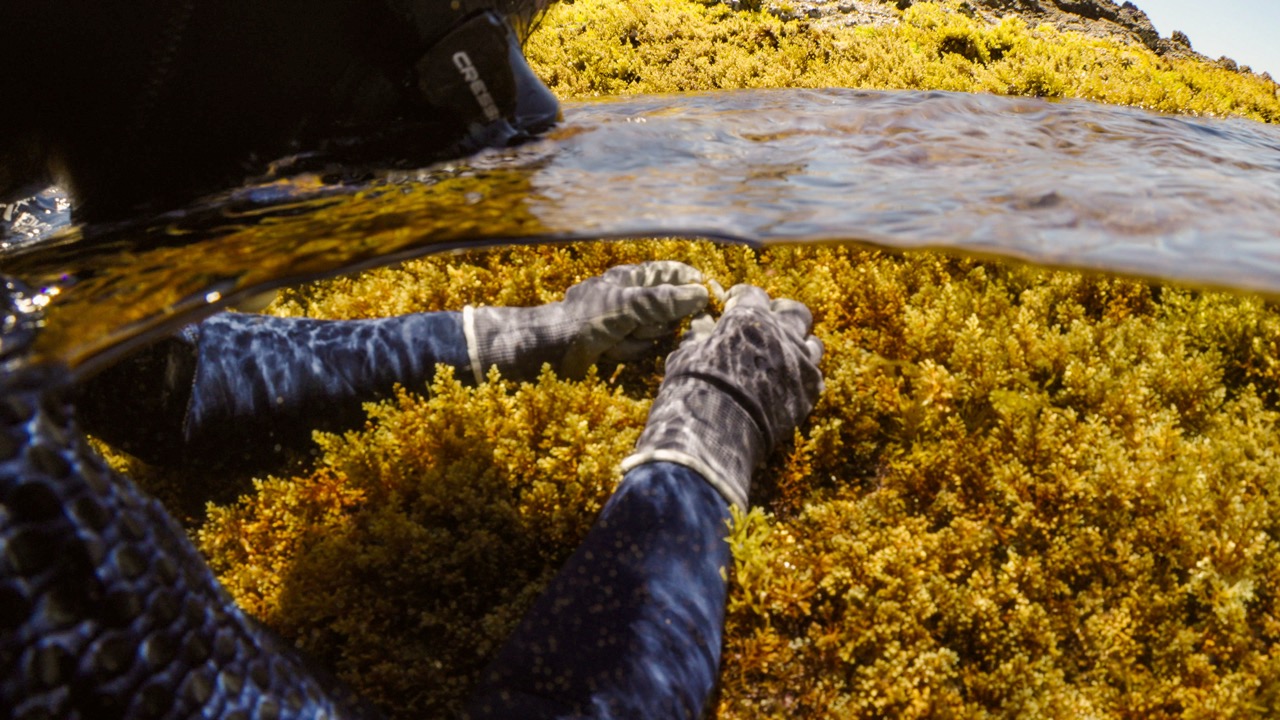
The work began in January, with repeated field surveys to follow the reproductive phenology of Ericaria amentacea and identify the appropriate moment for the collection of fertile material.
This monitoring phase is essential, as successful cultivation depends on collecting reproductive apices at the right stage of maturity. Past experience has shown how narrow this window can be: when the reproductive material is not in optimal condition, cultivation may be compromised.
Since many aspects of the reproductive phenology of Cystoseira s.l. species remain insufficiently known, repeated field observations are an important part of learning how to make restoration more effective.
Spring
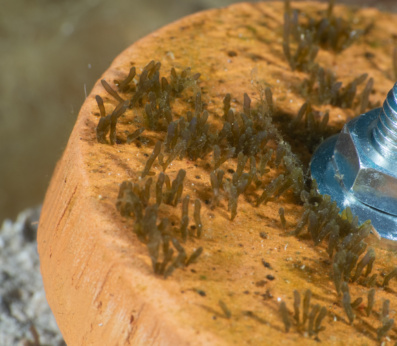
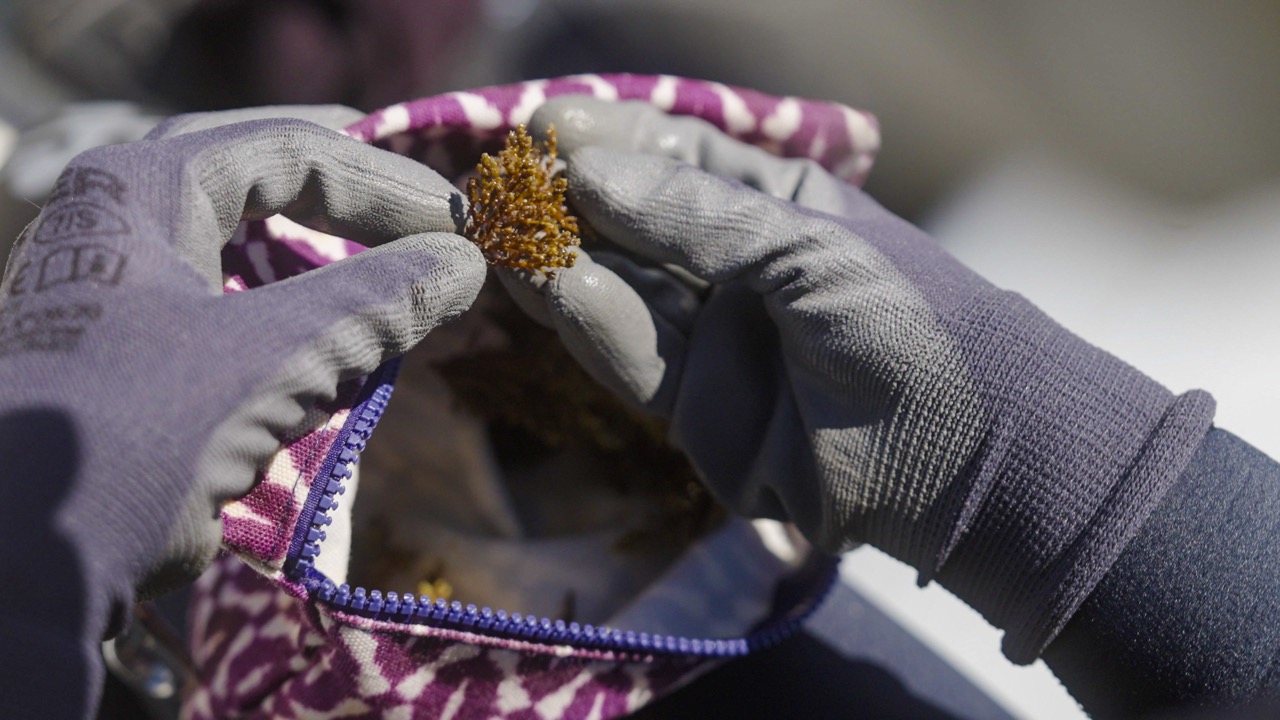
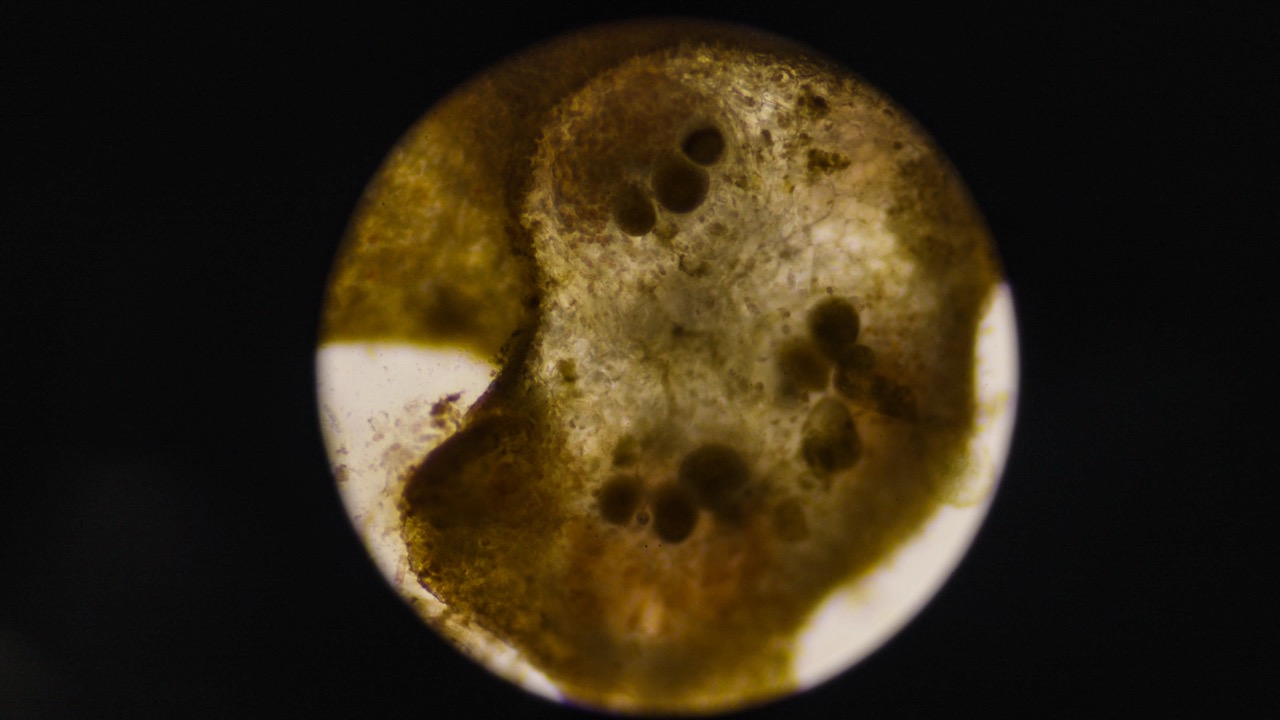
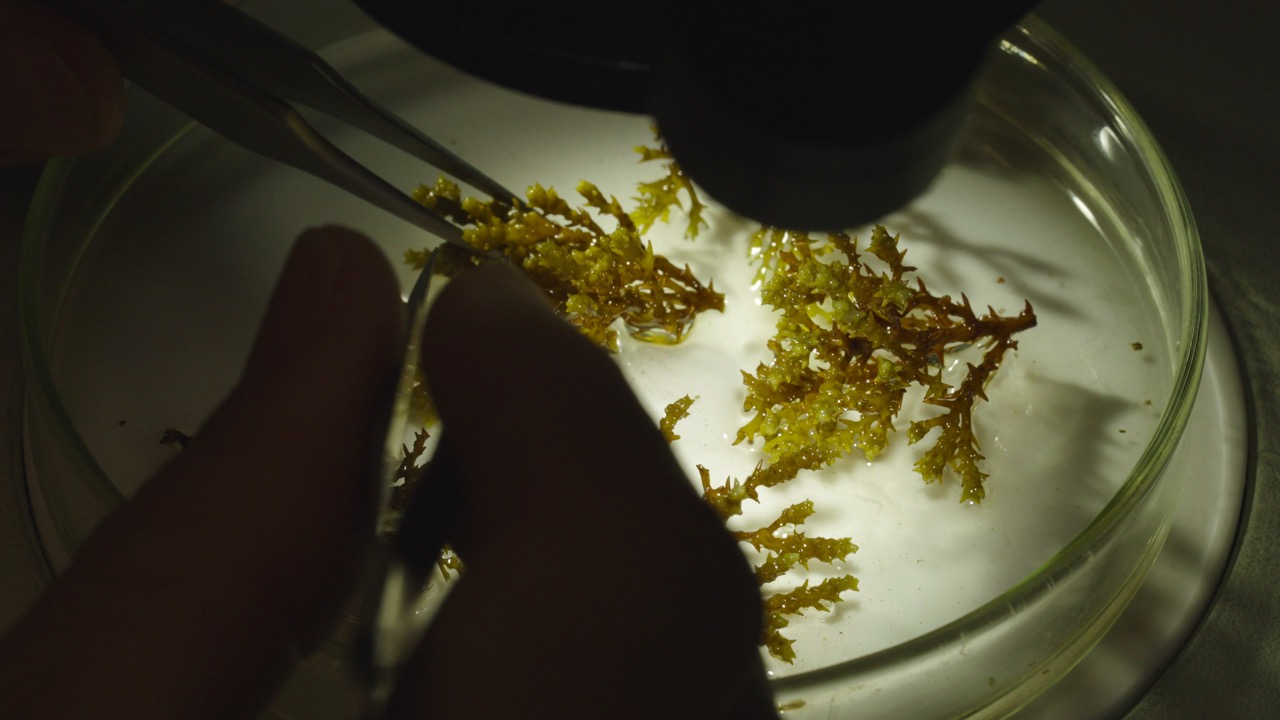
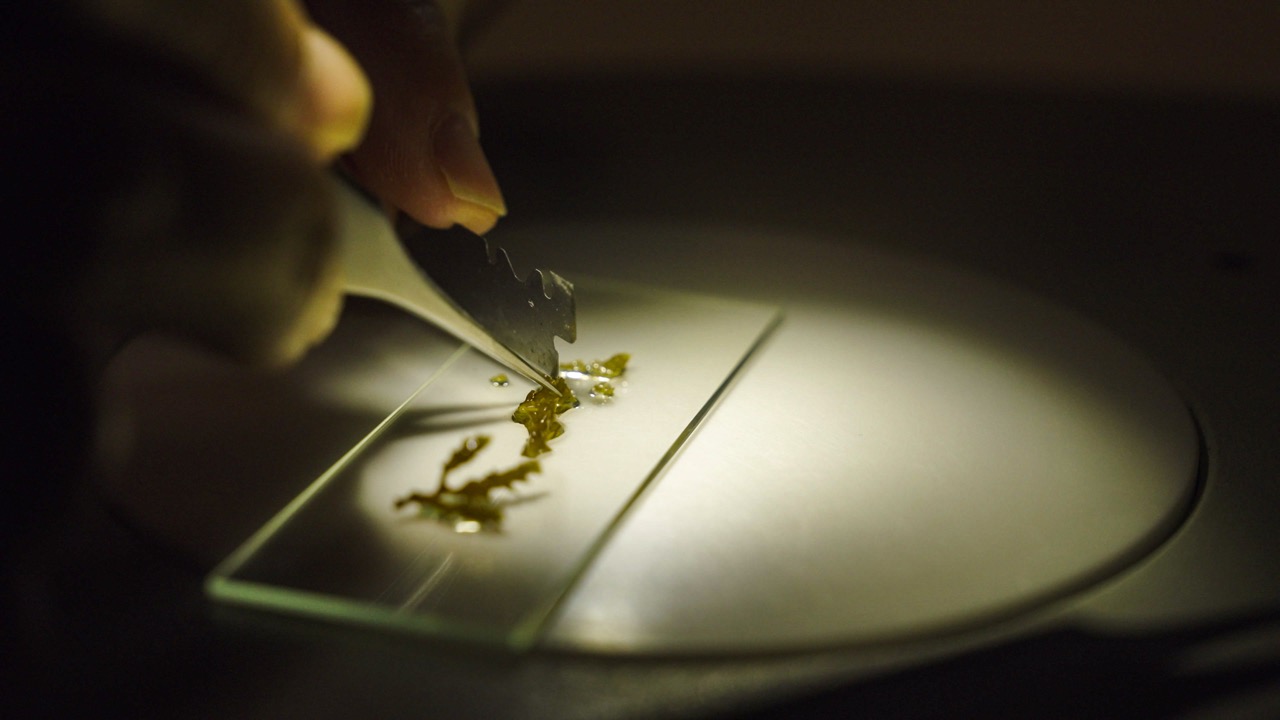
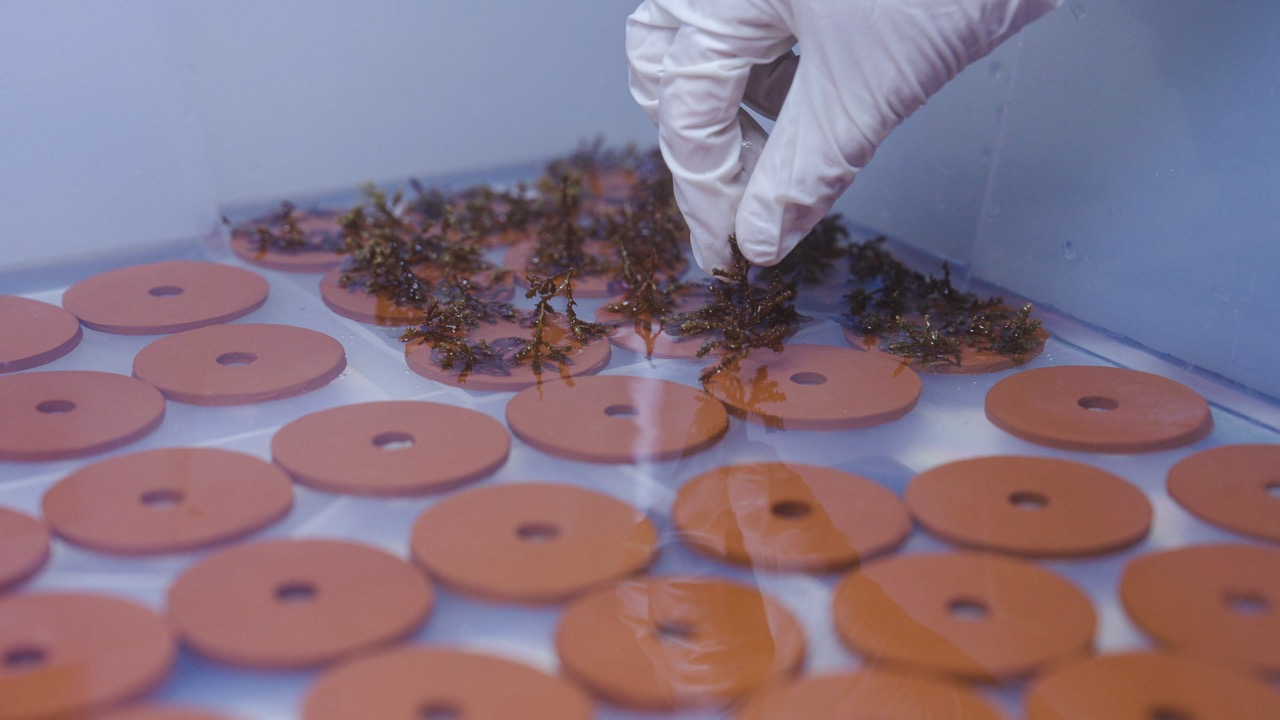
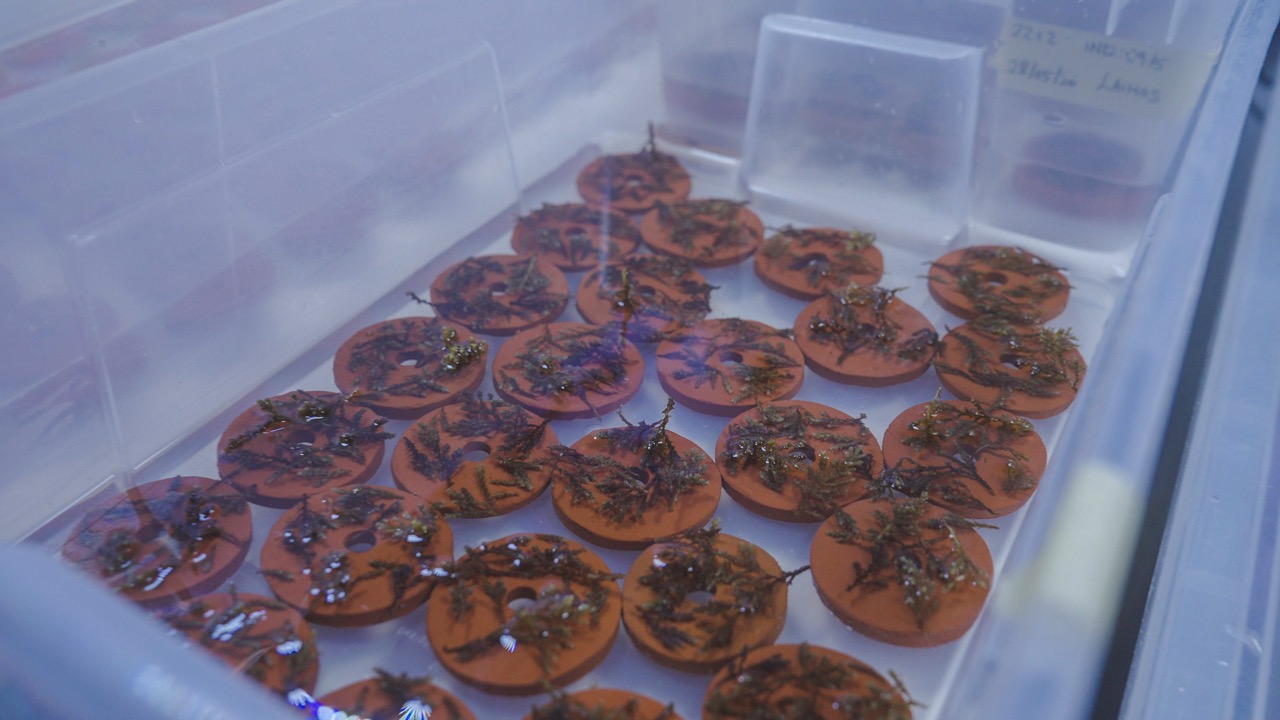
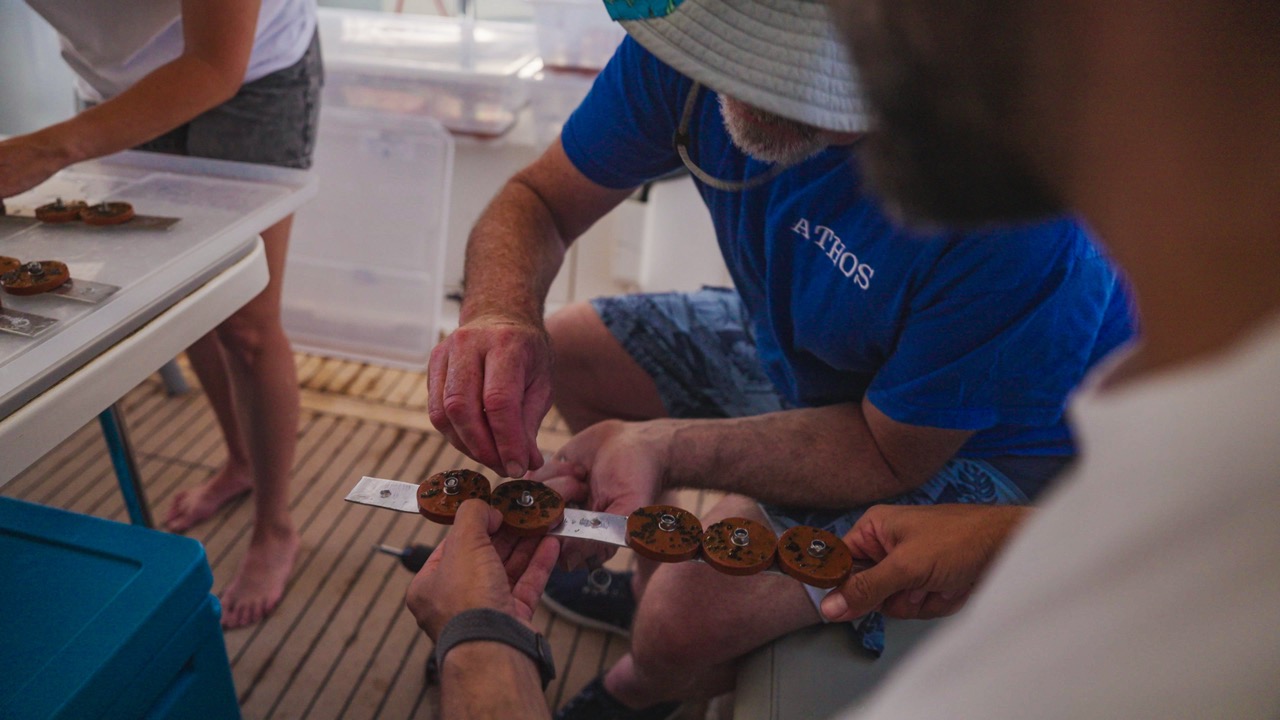
Once the fertile apices were collected in May, the material was transferred to the HCMR Phytobenthos Laboratory. There, it was examined under the microscope, prepared for cultivation, and placed on small ceramic tiles. Under controlled laboratory conditions, tiny young individuals of Ericaria amentacea began to develop on the tiles, marking the first visible step towards restoration.
Summer
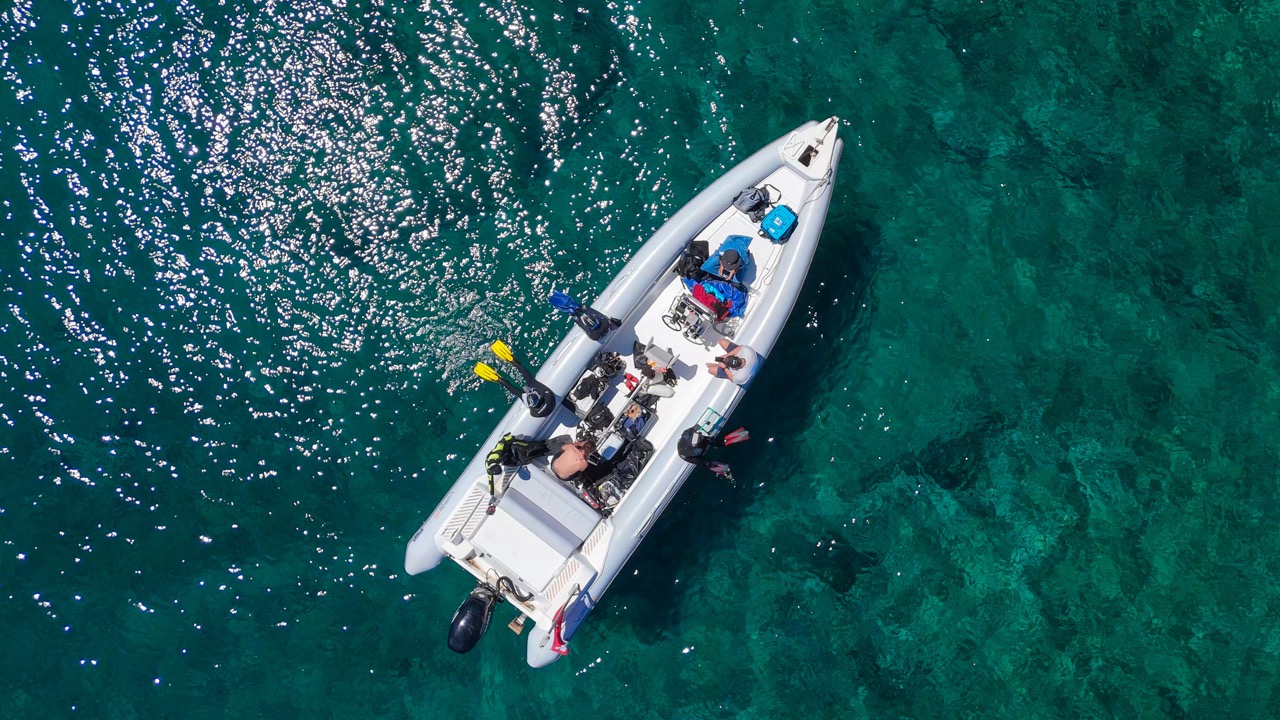
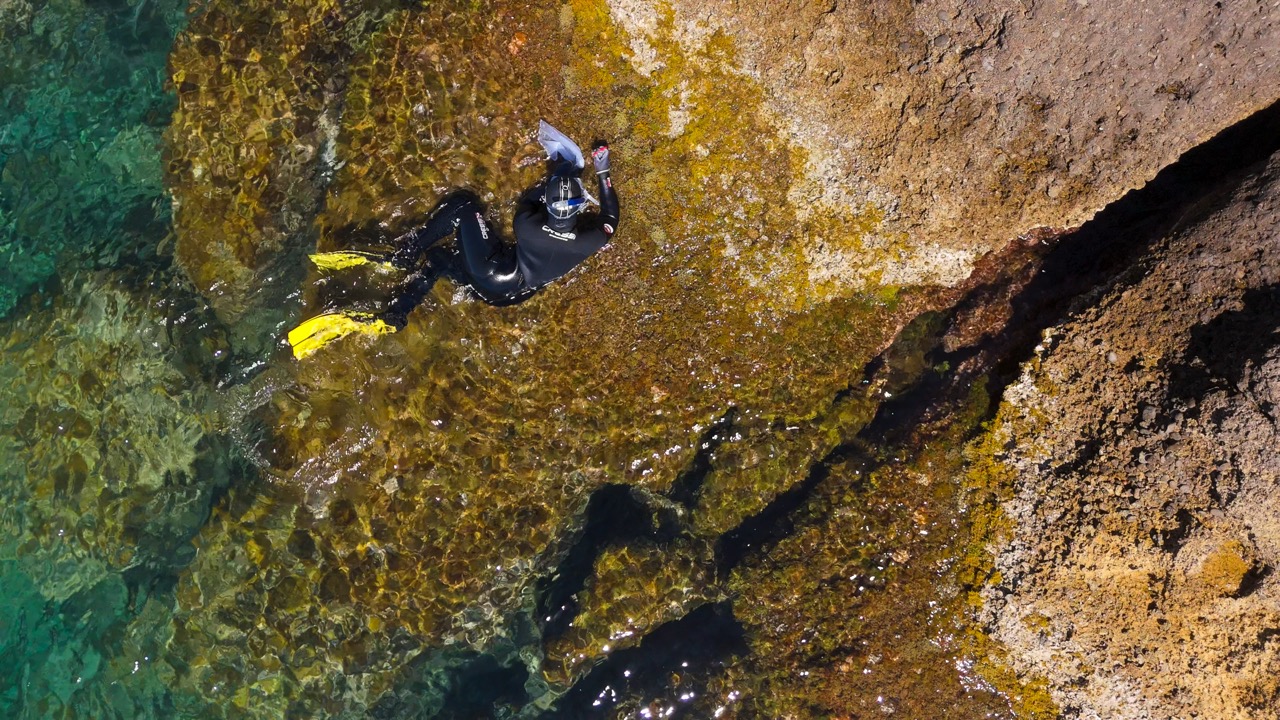
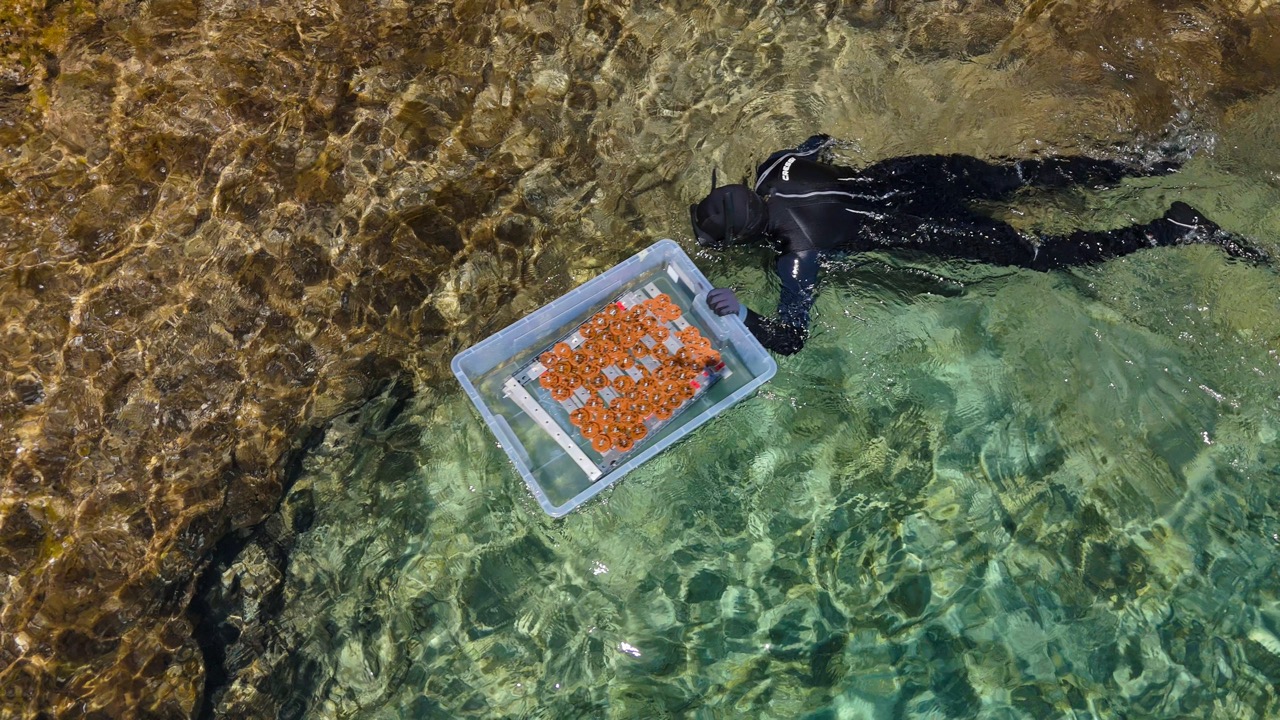
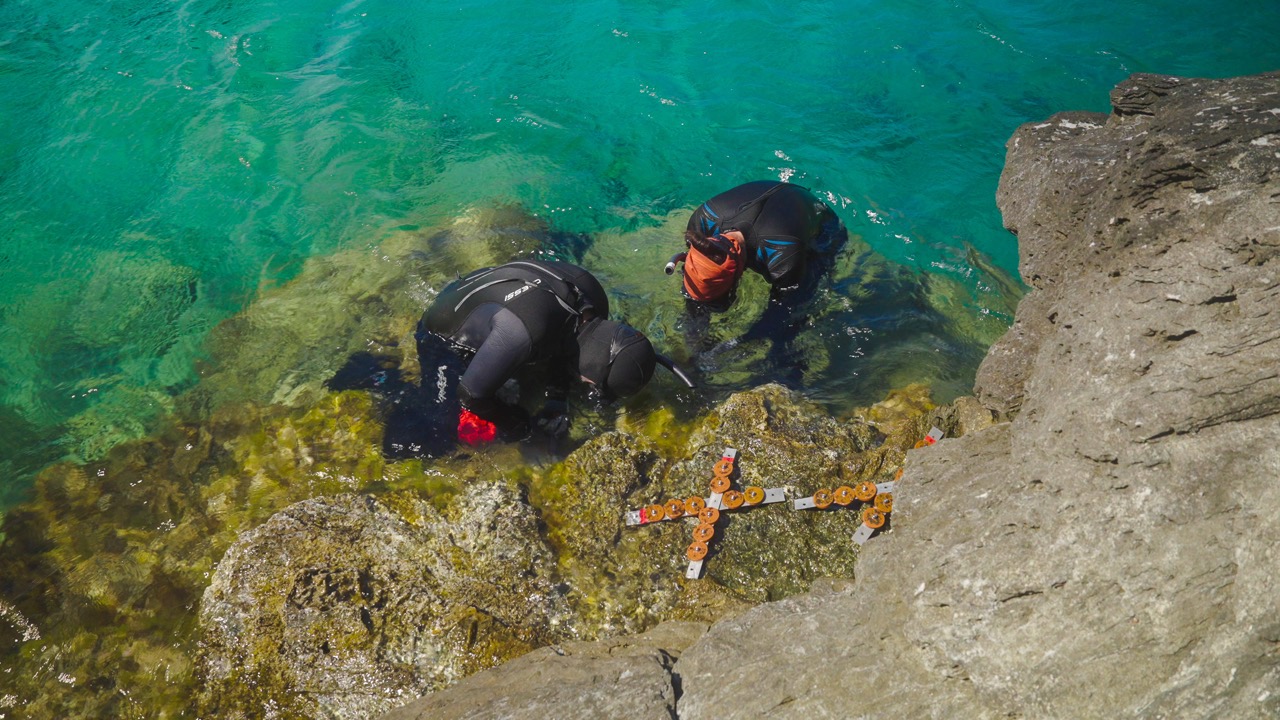
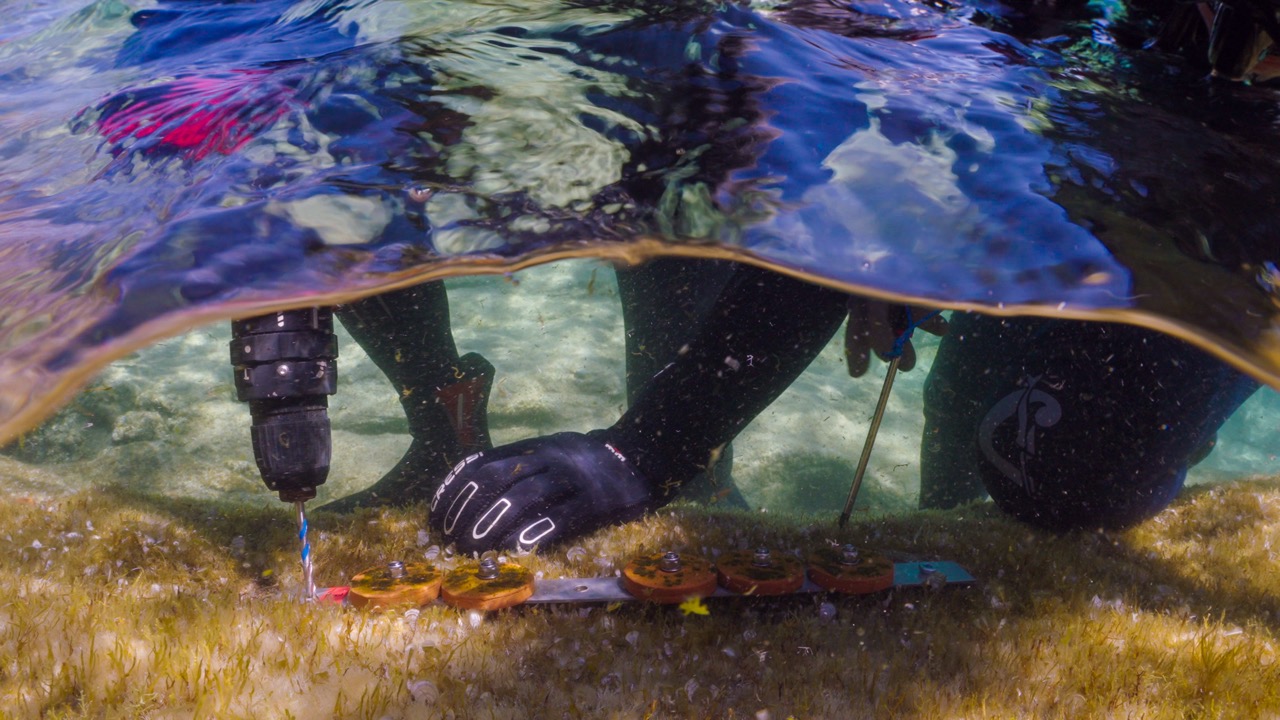
After four weeks of cultivation, the young individuals were ready to return to the sea. The tiles were transported back to Gyaros and carefully fixed onto shallow rocky reefs within the Marine Protected Area, where the algae will continue their development under natural conditions.
Fieldwork in Gyaros island can be a bit challenging. The island is remote, weather conditions can be demanding, and working in shallow, exposed rocky reefs requires flexibility and persistence. Despite these challenges, the 2026 field mission was successfully completed, closing another important restoration cycle for REEForest in the eastern Mediterranean.
From the sea to the laboratory, and back to the sea, each step contributes to the long-term effort to restore Mediterranean macroalgal forests and support the biodiversity they host. As with every restoration action, success will depend on careful monitoring over time, but each new season brings valuable knowledge and brings us one step closer to restoring these important marine habitats.
Photo credits by Yiannis Issaris / HCMR Phytobenthos Laboratory
Content curated by HCMR Phytobenthos Laboratory